 APREX · EST. 2026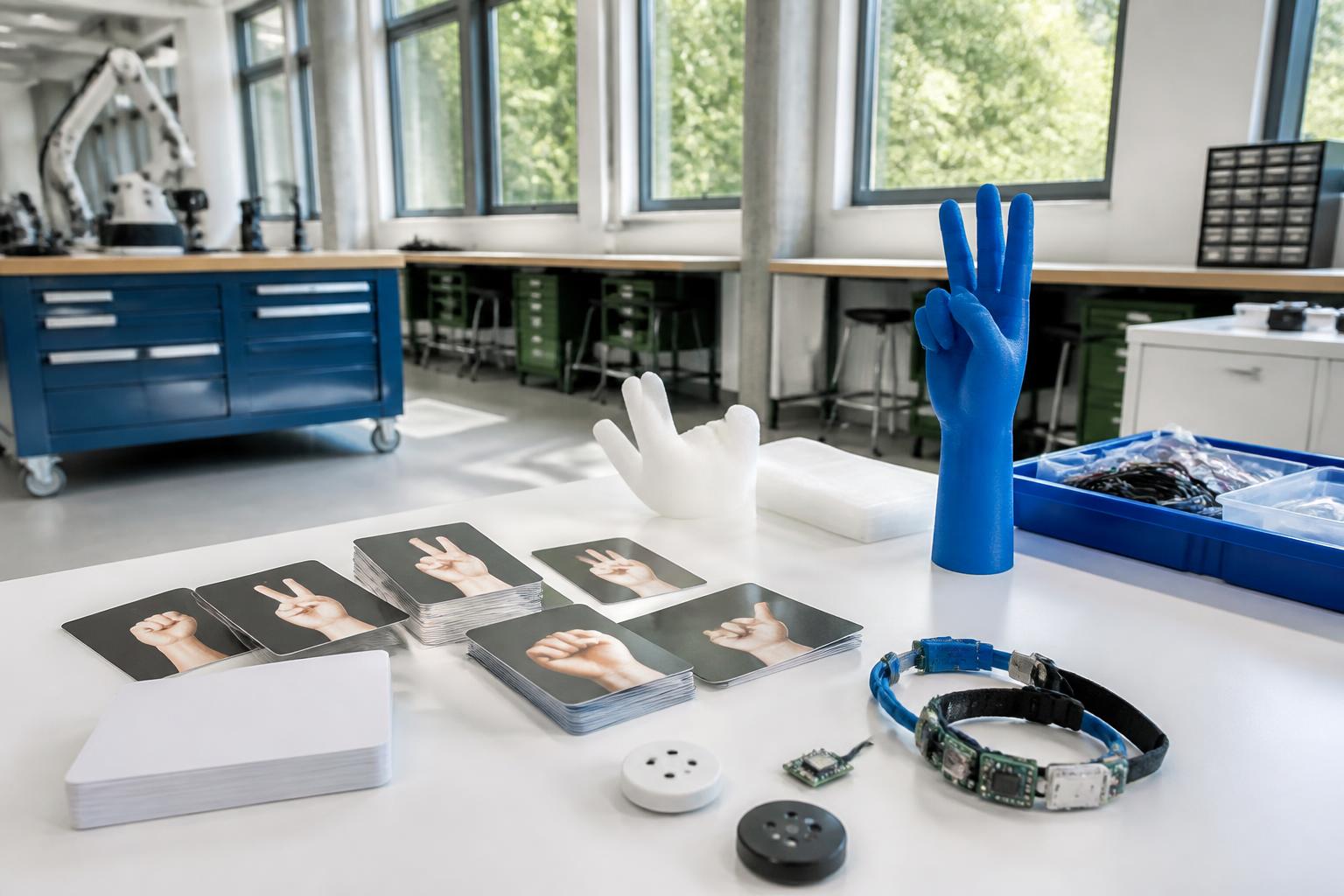
AI as a learning prototype, not just a chatbot
Google has spotlighted AI prototypes from the University of Waterloo. The key point is not that these are finished products. What matters is that students are building concrete learning tools with multimodal AI, UX methods, and real user problems at the centre.
Waterloo describes the Futures Lab as a workshop where students develop AI-related skills and form teams around educational challenges. They use tools including Gemini Canvas and Google AI Studio. The Google case study highlights prototypes such as SignFluent, a tool designed to help people learn American Sign Language through immediate feedback.
The learning AI of the future won't just answer questions. It will see, interpret, and deliver feedback in the moment.
Why prototypes matter
Prototypes are valuable because they test workflows before the market locks in. A sign language tool must understand movement, timing, body language, and pedagogical feedback — a far more demanding task than generating a polished summary.
The Futures Lab format is also noteworthy because it connects technology to UX and pedagogy. Students are not simply using AI tools; they are building something capable of addressing a concrete learning problem.
What Norwegian schools can learn
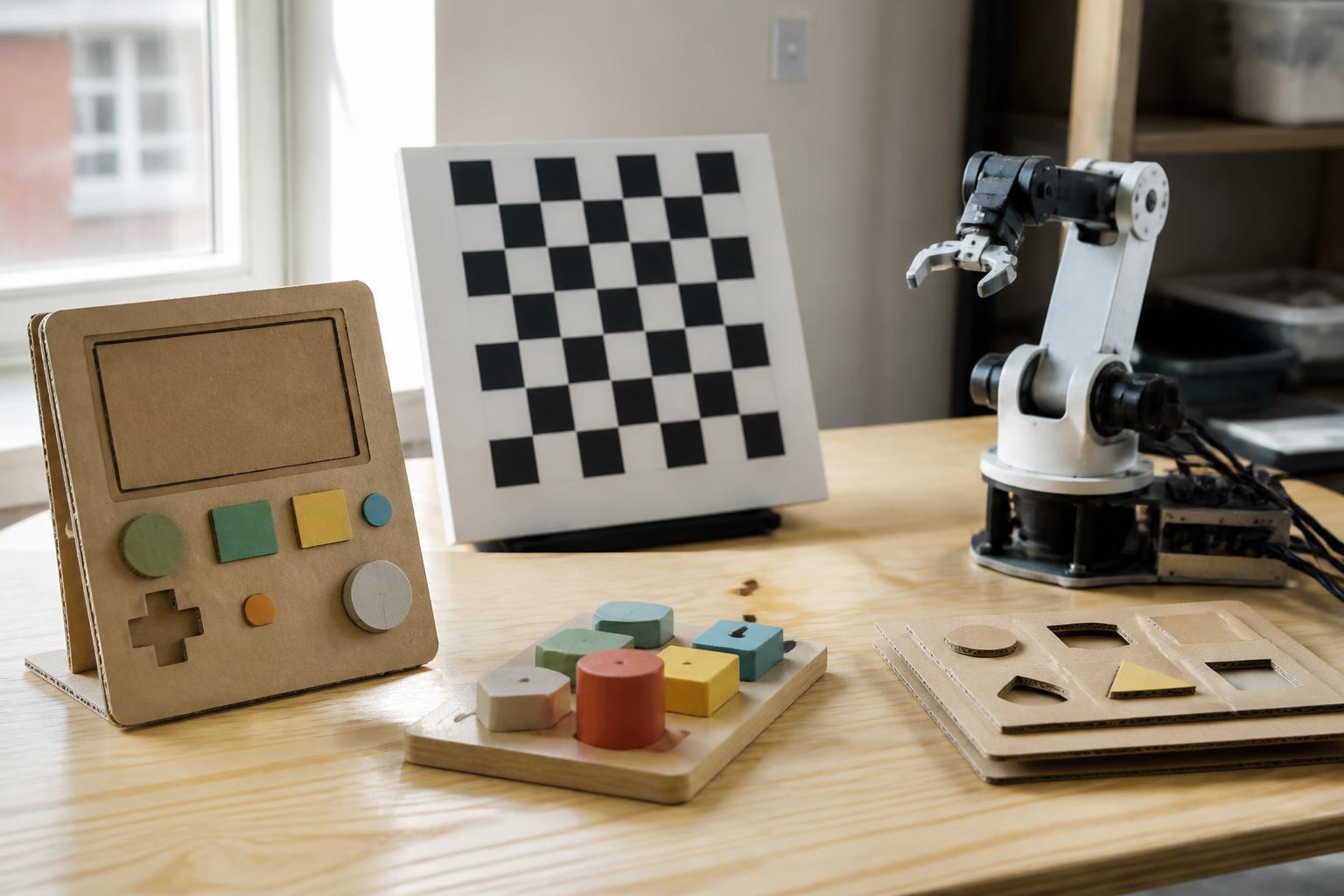
Norwegian education communities often discuss AI in terms of cheating, writing assistance, or teacher support. The Waterloo case points toward a broader category: situated learning, where AI provides feedback on actions, skills, and practical exercises.
This could be relevant for language learning, vocational programmes, healthcare training, presentation skills, laboratory work, and accessibility support. But it requires that AI be evaluated not merely as software — it must be assessed pedagogically.
Privacy is not a footnote
Multimodal learning tools can collect sensitive data: video, voice, movement, behaviour, progress, and learning patterns. This makes data minimisation and informed consent just as important as model quality.
For children and young people, the threshold must be especially high. A prototype that works in a university lab cannot automatically be rolled out across the school system.
Conclusion
The Waterloo prototypes are modest in market scale, but significant as a signal. AI in education is moving from text assistance to situated, in-the-moment guidance.
Norwegian institutions should track this development early — but must demand documented learning outcomes, robust privacy protections, and pedagogical oversight before such systems are deployed at scale.