 APREX · EST. 2026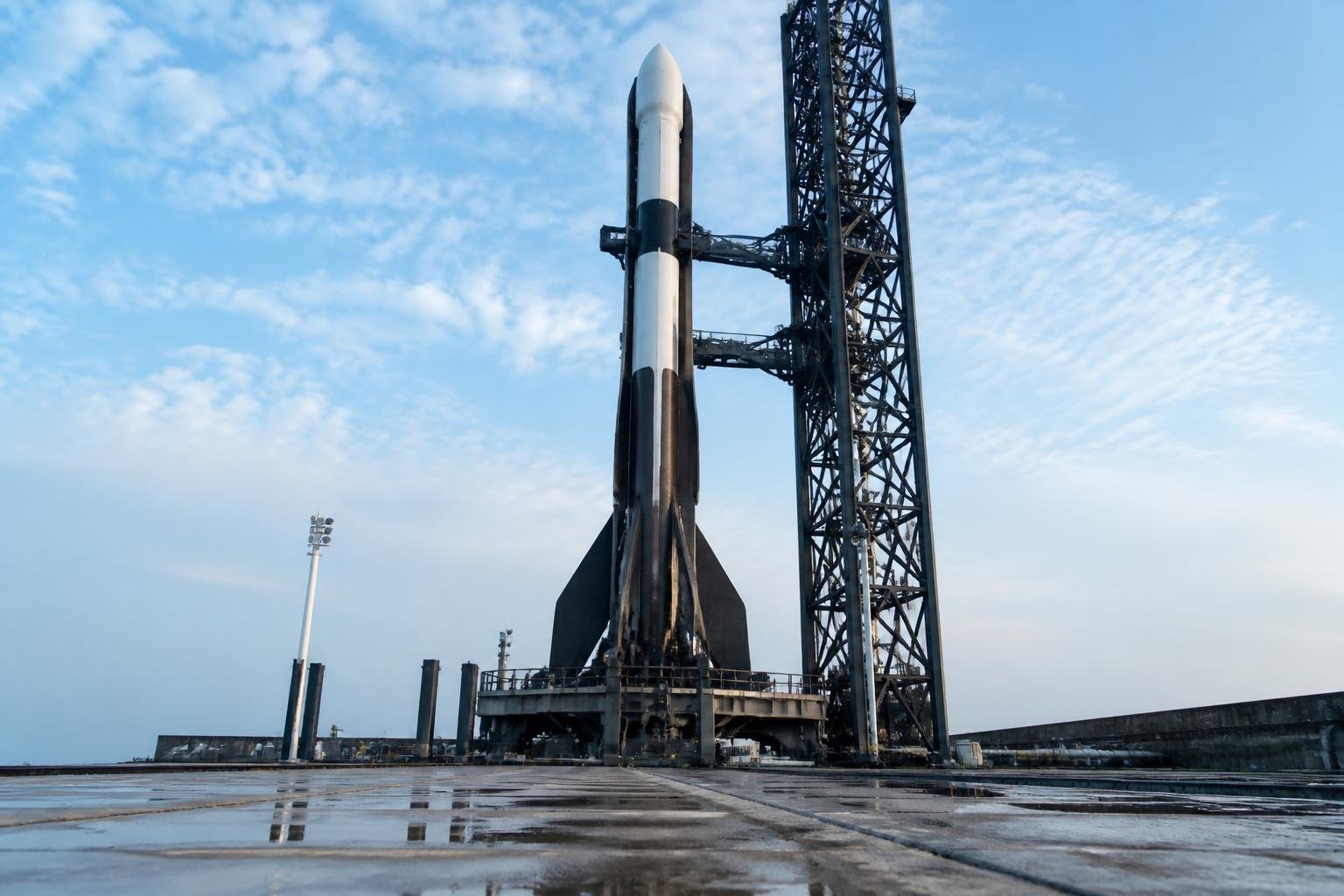
Talks between two of the world's most resource-rich technology companies confirm that the race for AI computing power now extends well beyond the atmosphere. According to a report from TechCrunch, Google and SpaceX are in active discussions about establishing data centers in Earth's orbit, with space as the future arena for artificial intelligence infrastructure.
A Cost Equation No One Can Ignore
There is no question that the ambitions are enormous — and equally no question that the bill is staggering. Analytics firm SemiAnalysis estimated in June 2026 that space-based compute currently costs $8.64 per GPU-hour, compared with $2.37 for equivalent capacity on the ground. That represents a cost ratio of more than four to one.
A hypothetical space-based data center with one gigawatt of capacity is estimated to cost around $170 billion, more than three times the price of an equivalent terrestrial facility. Launch and satellite costs alone account for roughly 60 percent of the total. A SpaceX Falcon 9 launch currently costs approximately $2,500 per kilogram of payload — a price that must fall dramatically before the project becomes economically viable.
Why Space Is Still Attractive
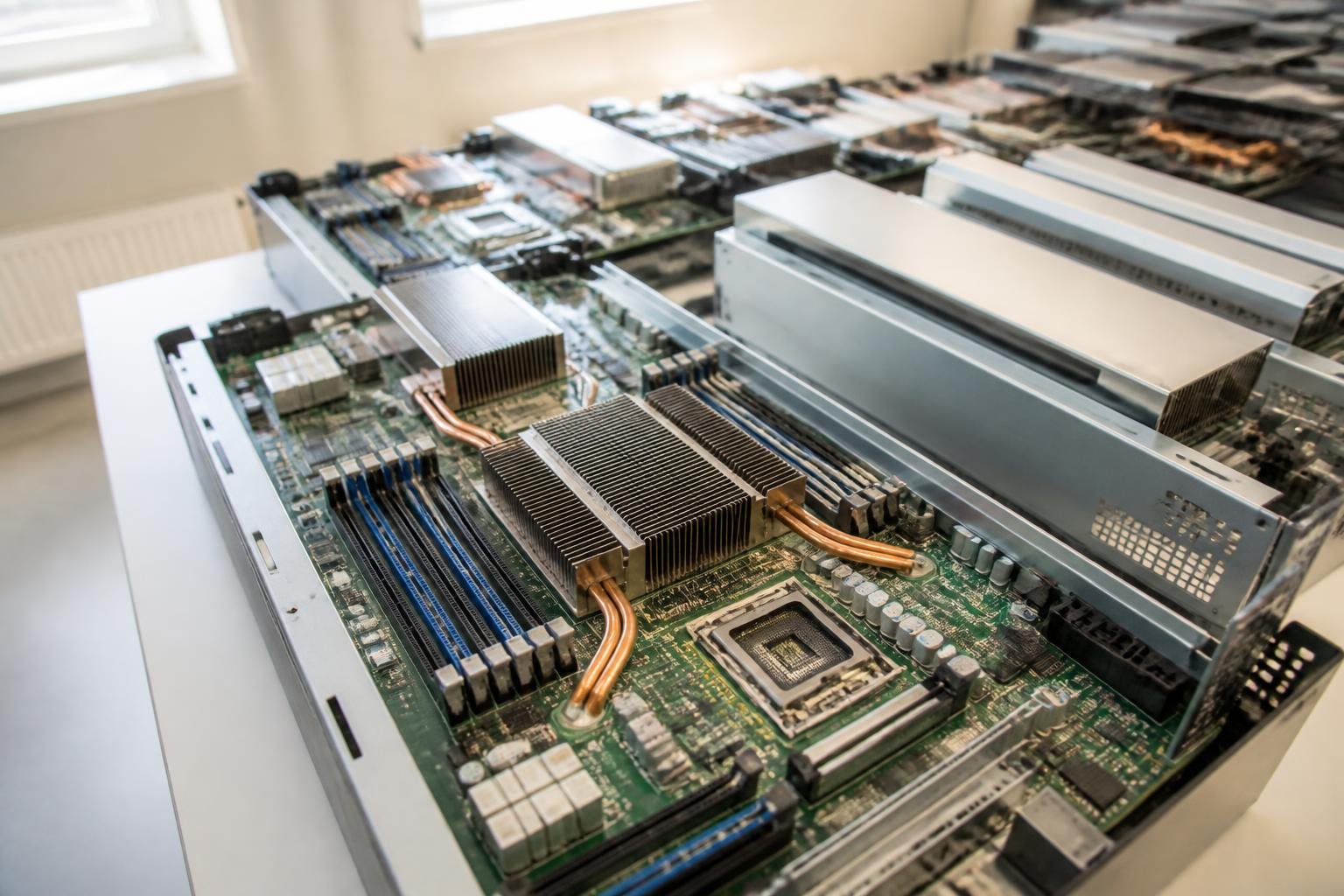
Behind the eye-watering figures lies a concrete resource crisis on the ground. Global energy consumption by data centers reached 415 terawatt-hours in 2024 and is expected to more than double to 945 TWh by 2030, according to the research underpinning this article. In the United States, data centers already account for more than four percent of total electricity consumption — a share that could reach nine percent by the end of the decade.
A single modern AI data center drawing 100 megawatts can consume as much electricity as 100,000 households. On top of that, cooling ground-based facilities requires between 30 and 55 percent of total energy use, and large installations can consume up to five million liters of water per day.
In space, the electricity bill theoretically disappears — solar panels in orbit receive near-continuous sunlight without atmospheric interference. But the cost shifts to advanced solar arrays, large heat radiators, radiation shielding, and frequent hardware replacement. The vacuum provides passive cooling, yet heat can only be removed through thermal radiation, which demands very large radiator surfaces.
Reliability and Lifespan Are an Achilles' Heel
One particular challenge is hardware durability in space. Radiation and extreme temperature swings produce an estimated annual failure rate of nine percent, meaning roughly one in eleven nodes will need replacing every single year. The operational lifespan of space-based infrastructure is estimated at five years, compared with fifteen years for equivalent ground-based facilities.
When Could It Become Profitable?
The question is not whether the cost gap will close, but when. Google's own calculations suggest that if launch costs fall below $200 per kilogram by the mid-2030s, the operating costs of space-based data centers could become competitive with terrestrial alternatives. More optimistic projections, cited in the underlying research, indicate that cost parity could be reached as early as 2028 to 2030 — particularly if power grid constraints and land scarcity on the ground worsen faster than anticipated.
Skeptics maintain that space-based solutions still cost roughly three times more per watt, and that the timeline estimates assume a technological and logistical trajectory that is far from guaranteed.
It is worth noting, in any case, that talks between Google and SpaceX at this stage do not mean that a deal has been signed or that specific projects have been approved — these are negotiations and feasibility studies, not announced investments.