 APREX · EST. 2026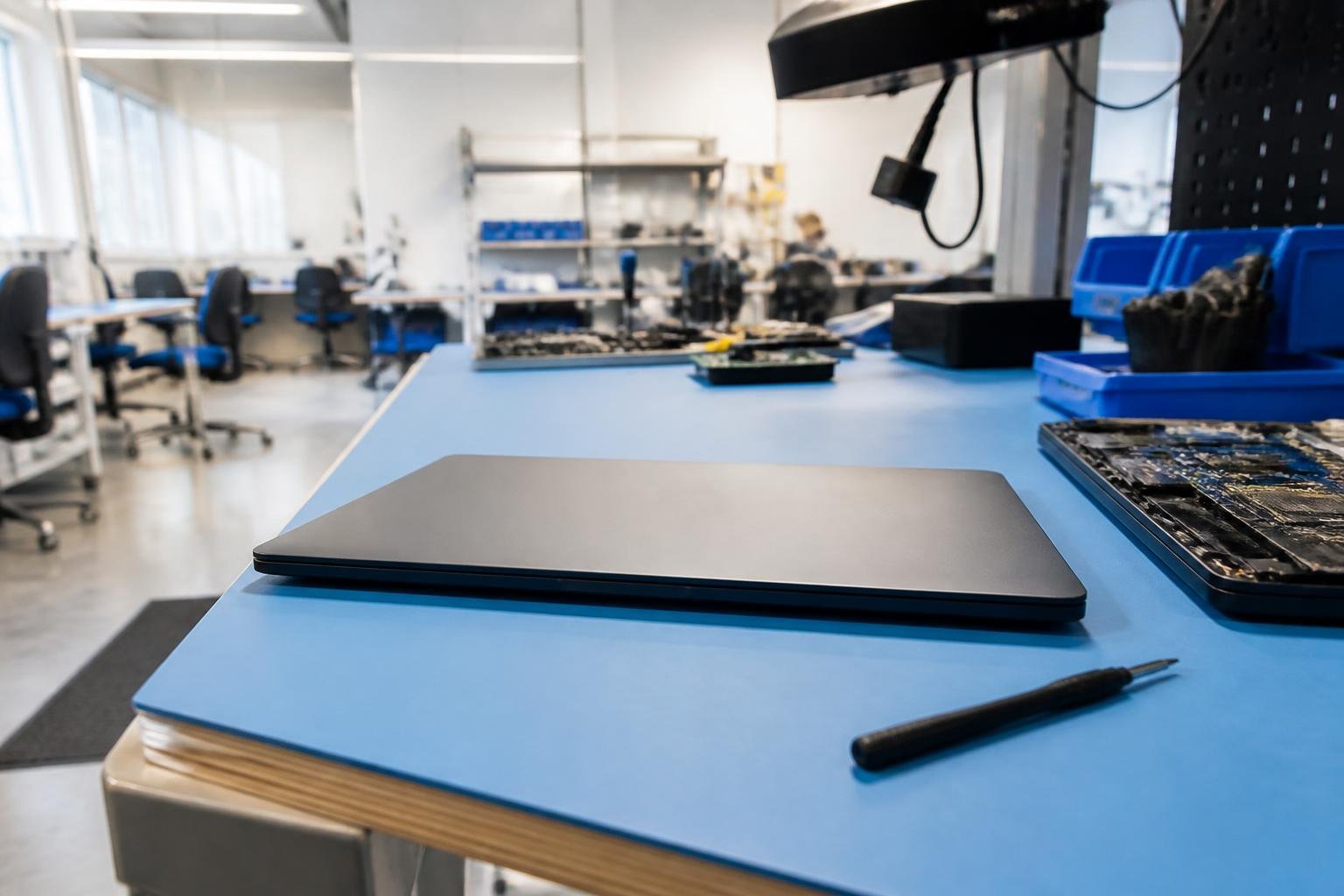
Google used its Android Show event to present an impressive array of AI-powered products and features, all ahead of the major I/O developer conference. At the center of the presentation was the company's new Googlebooks laptops — a hardware lineup built with artificial intelligence as the foundation from the ground up.
Googlebooks: AI baked into the hardware
The new Googlebooks machines are designed to perform AI tasks directly on the device, rather than sending data to the cloud for processing. This aligns with a broader industry movement in which manufacturers are equipping laptops with dedicated neural processing units (NPUs) to handle demanding AI workloads locally, according to market data from industry analysts.
Google's entry into this segment puts the company up against established players such as Microsoft's Copilot+ PCs, Apple's Apple Intelligence platform, and a range of manufacturers including Dell, Lenovo, and ASUS — all competing for share in a market that industry estimates valued at over $72 billion in 2025 and that could approach $103 billion by 2026.
Gemini goes more autonomous
Alongside the hardware news, Google announced that the Gemini assistant will gain significantly more agentic capabilities. This means the AI can increasingly carry out tasks independently on behalf of the user, without requiring step-by-step instructions. This positions Gemini in direct competition with similar agentic features from the likes of OpenAI and Anthropic, both of which have invested heavily in AI agents over the past year.
Gemini is also being integrated directly into the Chrome browser, allowing users to access AI assistance without leaving the browsing experience. According to TechCrunch's coverage, this is part of a broader strategy to weave Gemini throughout Google's entire product portfolio.
Vibe coding for everyday users
One of the more unexpected announcements was the ability to create Android widgets through so-called vibe coding — an approach in which the user describes what they want in natural language and the AI generates the code automatically. This dramatically lowers the barrier to customizing the Android experience for people without a technical background.
Vibe coding enables everyday Android users to create their own widgets without writing a single line of code
Google also presented a refreshed version of Android Auto, which handles car integration for Android phones. Full details of what the update specifically entails were not comprehensively described in TechCrunch's source material, but it is reasonable to assume that Gemini integration plays a central role here as well.
Fierce competition in a growing market
Google's announcements come at a time when competition in the AI PC segment is intense. Microsoft set the bar high with the Copilot+ PC launch in May 2024, and chipmakers Intel and AMD have since been battling to deliver the most efficient NPU solutions. Apple, for its part, has continued to develop its Apple Intelligence platform across Mac, iPhone, and iPad.
A key driver across the entire segment is the desire for local AI processing, which delivers lower latency, better privacy, and independence from an internet connection. Analysts note, however, that the high purchase price of AI laptops remains a barrier to widespread mass adoption.
Google's Googlebooks lineup will face a real market test once the devices are actually in the hands of consumers and enterprise customers — and all the ambitious talk from Android Show is measured against competitors' already established products.