 APREX · EST. 2026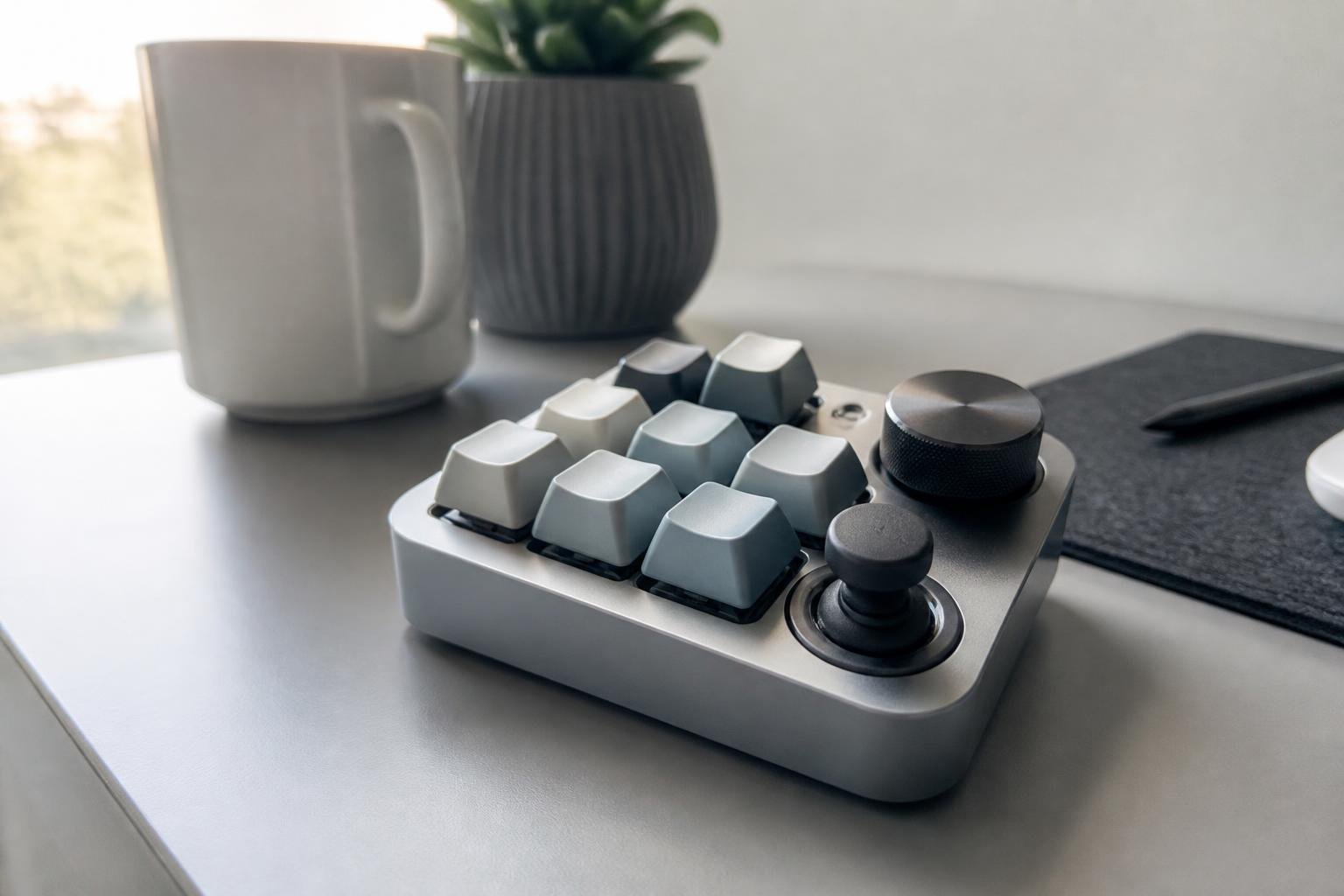
OpenAI has long been known for pushing boundaries on the software side. Now the company is moving into hardware — though on a far more modest scale than many might have expected.
A macro pad, not a revolution
In a video published on X on Monday, OpenAI teased a physical device connected to Codex, the company's AI-powered coding tool. The device is described as square-shaped, equipped with multiple buttons, and was developed in collaboration with Work Louder — a company specializing in customizable mechanical keyboards and macro pads for creative professionals and developers, according to The Verge.
Based on the teaser, the device resembles Work Louder's existing Creator Micro 2, and appears to include mechanical keys, a rotary dial, and a joystick. The full launch is announced for July 15, 2026.
It is worth clarifying: this is not the secretive AI device OpenAI is reportedly developing in collaboration with former Apple designer Jony Ive. This is a more contained, tool-specific macro pad.
"Two hopelessly dweeby tastes that combine beautifully" — on the combination of AI coding and mechanical keyboards
What will the device do?
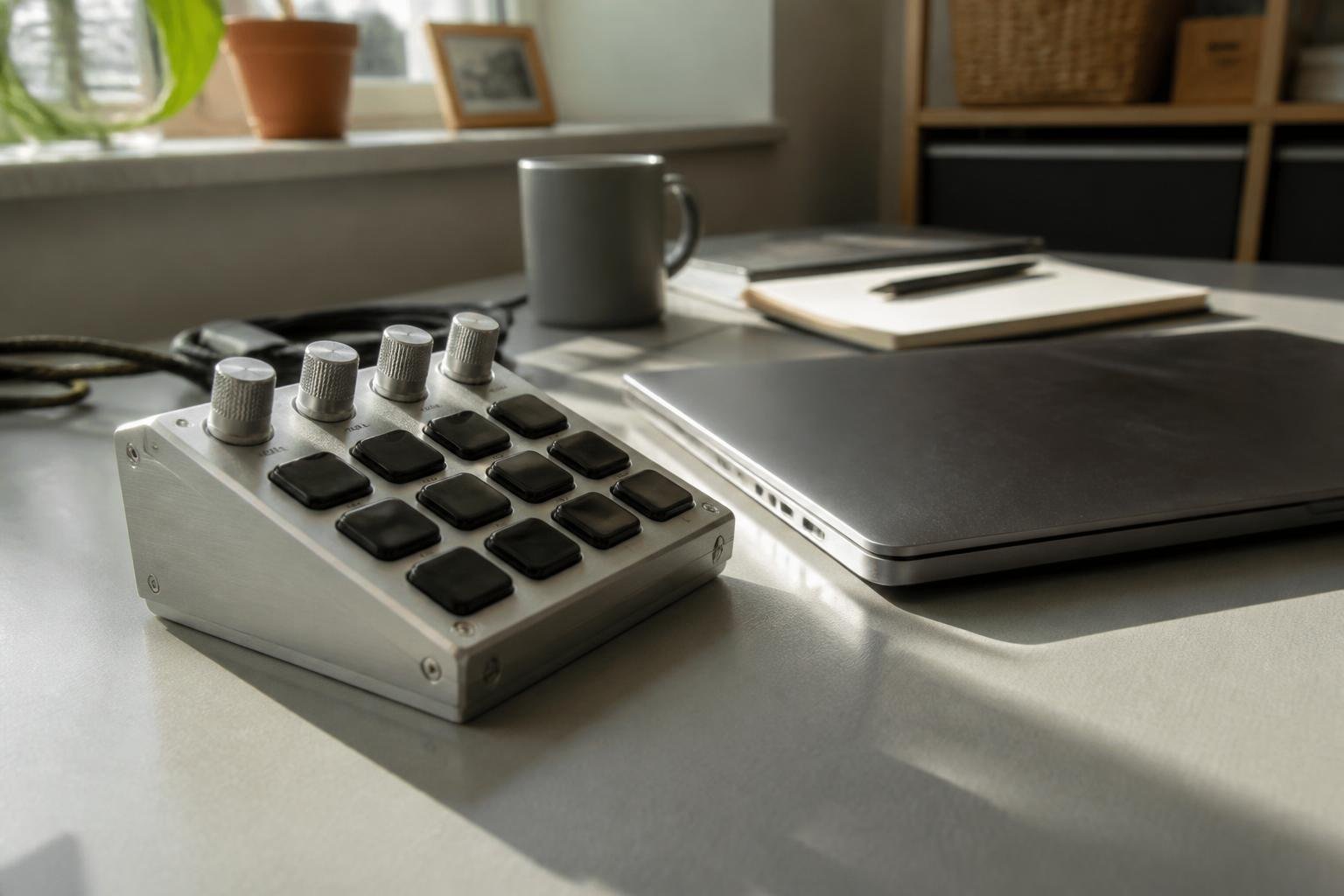
According to available information, the purpose is to streamline AI-assisted coding by providing physical shortcuts to the most commonly used Codex functions. This could include launching or pausing coding agents, reviewing suggested changes, running tests, switching between projects, and activating saved workflows.
Analysts at Let's Data Science point out that a dedicated input device could reduce what is known as "context switching" — the cognitive cost of toggling between different tools and interfaces during a coding session. Gizmodo, for its part, has argued that sensory feedback from such devices — clicks, lights, and tactile response — can help reduce errors and increase efficiency.
Much remains unknown
As The Verge notes, OpenAI has not yet confirmed exact functionality, pricing, which platforms will be supported, or whether a paid Codex subscription will be required to use the device. There is, in other words, considerable uncertainty surrounding the product's practical utility and availability.
As an AI model, Codex supports more than a dozen programming languages, with particularly strong performance in Python. The tool is positioned as a collaborative coding partner rather than a simple autocomplete system — but it remains to be seen whether a physical macro pad will meaningfully elevate the user experience, or whether it is primarily a niche product for a very specific user group.
Hardware as strategy
OpenAI's foray into the hardware segment is worth watching regardless. While this device is far removed from the company's ambitious future plans for AI hardware, the collaboration with Work Louder signals a willingness to think beyond the screen — literally. For developers who already use Codex on a daily basis, a dedicated physical controller could represent a genuine productivity tool. For everyone else, it remains a teaser for now.