 APREX · EST. 2026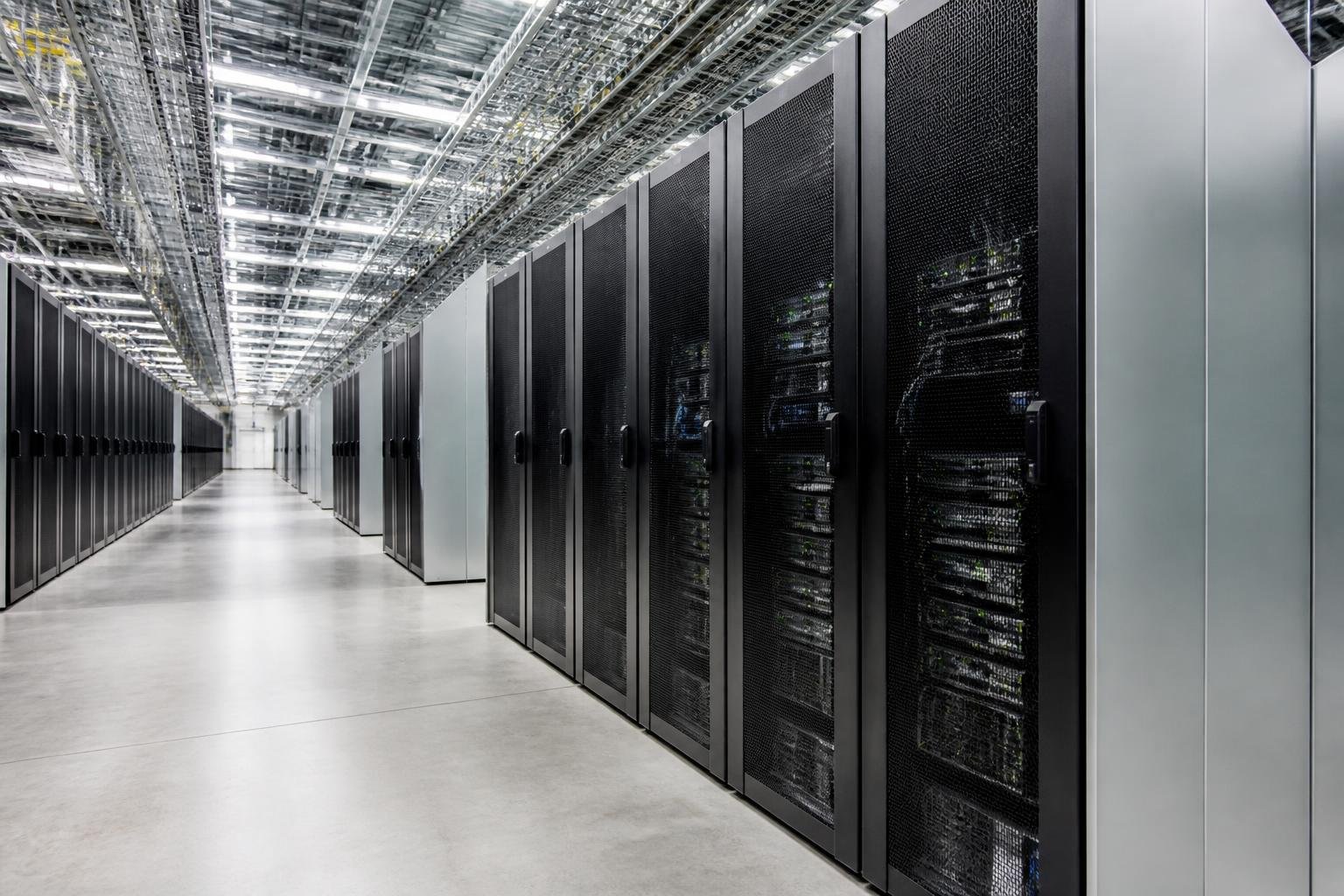
Agentic AI — systems capable of planning, reasoning, and executing complex tasks with minimal human intervention — has long been promising on paper. Now NVIDIA and Microsoft are attempting to deliver the underlying infrastructure needed to turn that promise into reality, according to a blog post from NVIDIA.
One cohesive stack
The partnership aims to cover the entire chain: powerful hardware, optimized models, secure runtime environments, and a responsive data layer. According to NVIDIA, this is essential for agents to run reliably over extended periods and in production environments — not merely as laboratory demonstrations.
On the Azure side, Microsoft is rolling out hundreds of thousands of NVIDIA Blackwell GPUs, including GB200 NVL72 rack-scale systems. The goal is performance equivalent to ten times that of today's fastest supercomputers, providing massive capacity for cloud inference workloads.
NIM microservices and reasoning models
Azure AI Foundry now integrates NVIDIA's NIM microservices — pre-optimized containers for more than two dozen popular foundation models. These are designed to accelerate inference in agent-based workflows.
In addition, NVIDIA's Llama Nemotron Reason models are being made available through Azure AI Foundry, and are said to be particularly well suited for agent frameworks such as LangChain Deep Agents. Nemotron 3 Ultra is also part of the offering and is optimized for demanding reasoning tasks.
Agentic AI requires more than good models — it demands fast hardware, secure runtime environments, and a responsive data layer.
Security beneath the agent layer
One of the more technically interesting elements of the collaboration is the OpenShell security framework, built on Microsoft's eXecution Containers (MXC). The concept is that security and governance mechanisms are placed beneath the agent layer — not on top of it.
This involves sandboxed execution, access policies, and protection of personally identifiable information. OpenShell integrates with Windows, Red Hat AI, and Ubuntu, providing broad platform coverage.
From cloud to desktop
For local deployments, NVIDIA is introducing two products. RTX Spark is a new superchip designed for Windows PCs and, according to NVIDIA, purpose-built for personal AI agents. With up to 1 petaflop of AI compute and 128 GB of unified memory, it is intended to enable agents to run locally and privately. RTX Spark-based laptops and desktops are expected in autumn 2026.
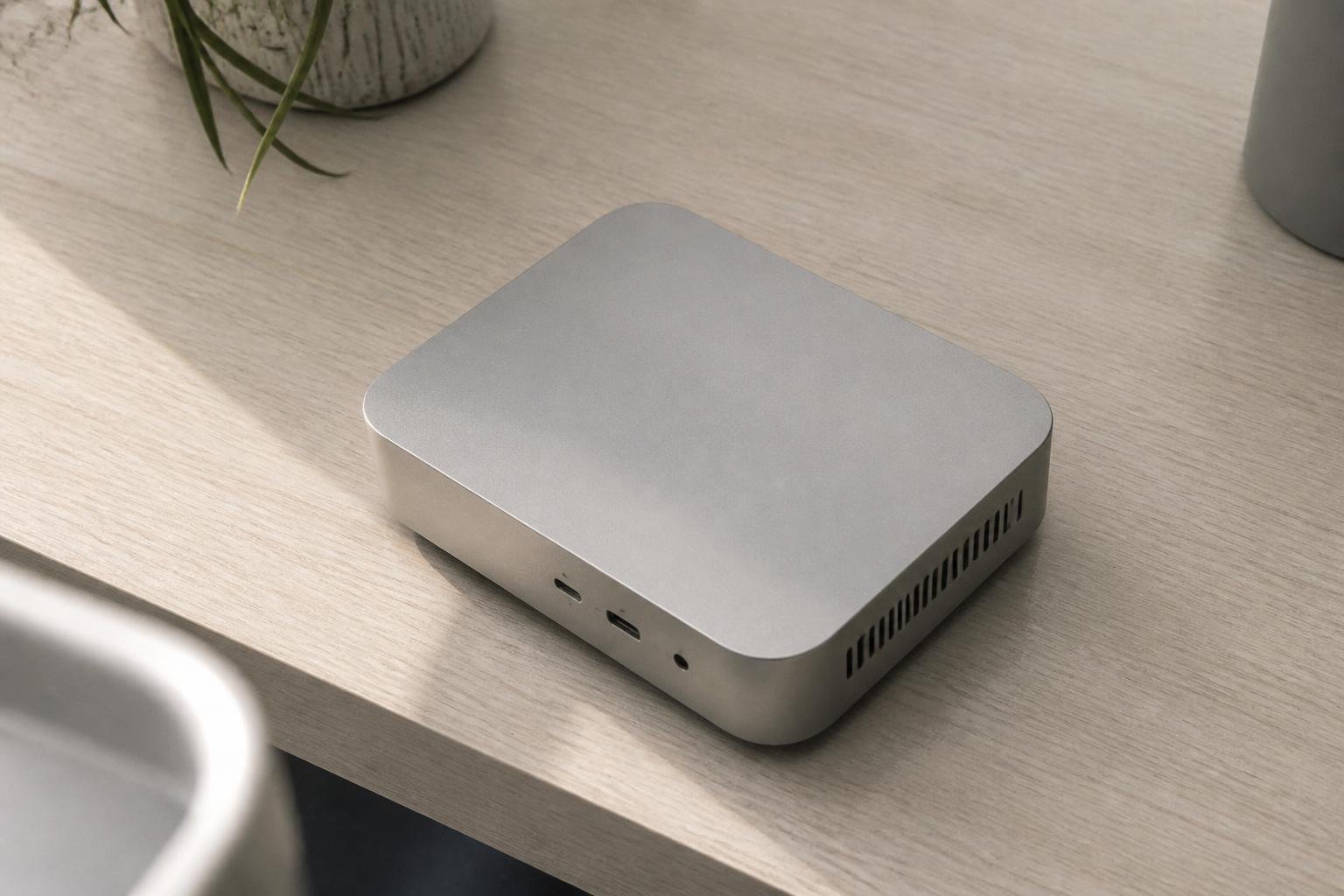
DGX Station for Windows targets the enterprise market and is a compact AI supercomputer capable of running models with up to one trillion parameters locally — without sending data to the cloud.
Scientific research and industrial AI
The collaboration also extends into scientific research through the Microsoft Discovery platform, which was presented at Microsoft Build. The platform integrates ALCHEMI NIM for chemical simulations and BioNeMo NIM for drug development, and is intended to accelerate research in science and medicine.
For industry, NVIDIA Omniverse libraries are connected to support digital twins and industrial physical AI. NVIDIA and Microsoft also launched what they call the Agentic Launchpad — currently aimed at AI innovators in the United Kingdom and Ireland.
Competition from AWS and Google
NVIDIA and Microsoft's full-stack approach competes with established platforms such as AWS SageMaker and Google Vertex AI, both of which have incorporated agentic AI into their services. SageMaker offers, among other things, an "agentic experience" for model customization and a built-in data agent, while Vertex AI has its own suite of agent development tools.
What distinguishes the NVIDIA–Microsoft approach is the integration of specialized hardware — from rack-scale GPU clusters in the cloud to dedicated chips in consumer PCs — combined with a unified security framework across the entire stack. Whether this vertical integration delivers real-world advantages over more flexible cloud platforms remains to be seen in practice.