 APREX · EST. 2026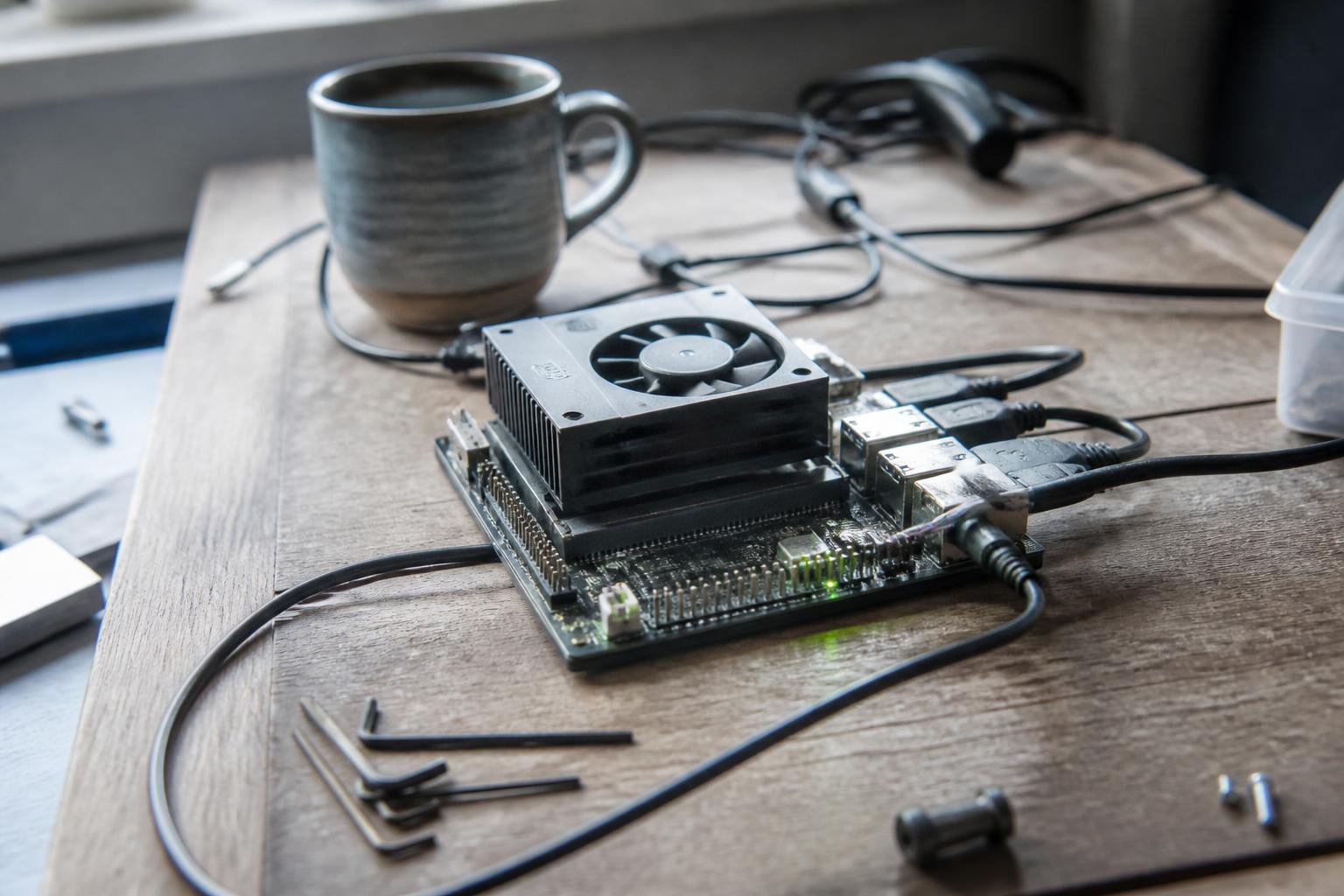
A blog post on s2.dev that is now circulating on Lobsters AI has sparked an interesting discussion among people working in edge computing and local AI deployment. Not the usual "which model is best" conversation — this is about infrastructure.
The author's premise is simple but solid: you have a Jetson device (NVIDIA's compact powerhouse for edge AI), you're running models locally, and everything works fine — until the network goes down. What happens then to the data the model was supposed to process or forward? In most setups: it simply disappears.
The post's answer is "durable streams" — an architecture in which messages and inference output are written to a persistent local queue, so nothing is lost even if the connection drops. When the network comes back, the data stream picks up exactly where it left off. It might sound trivial, but in practice this is a problem that bites hard in production environments: factories, ships, drones, remote sensors.
The discussion on Lobsters draws parallels to older solutions such as Kafka and MQTT — protocols the industry has relied on for years for IoT data reliability. What's new here is that someone has actually combined these with modern local AI inference on dedicated edge hardware, not just in theory but with a concrete Jetson configuration.
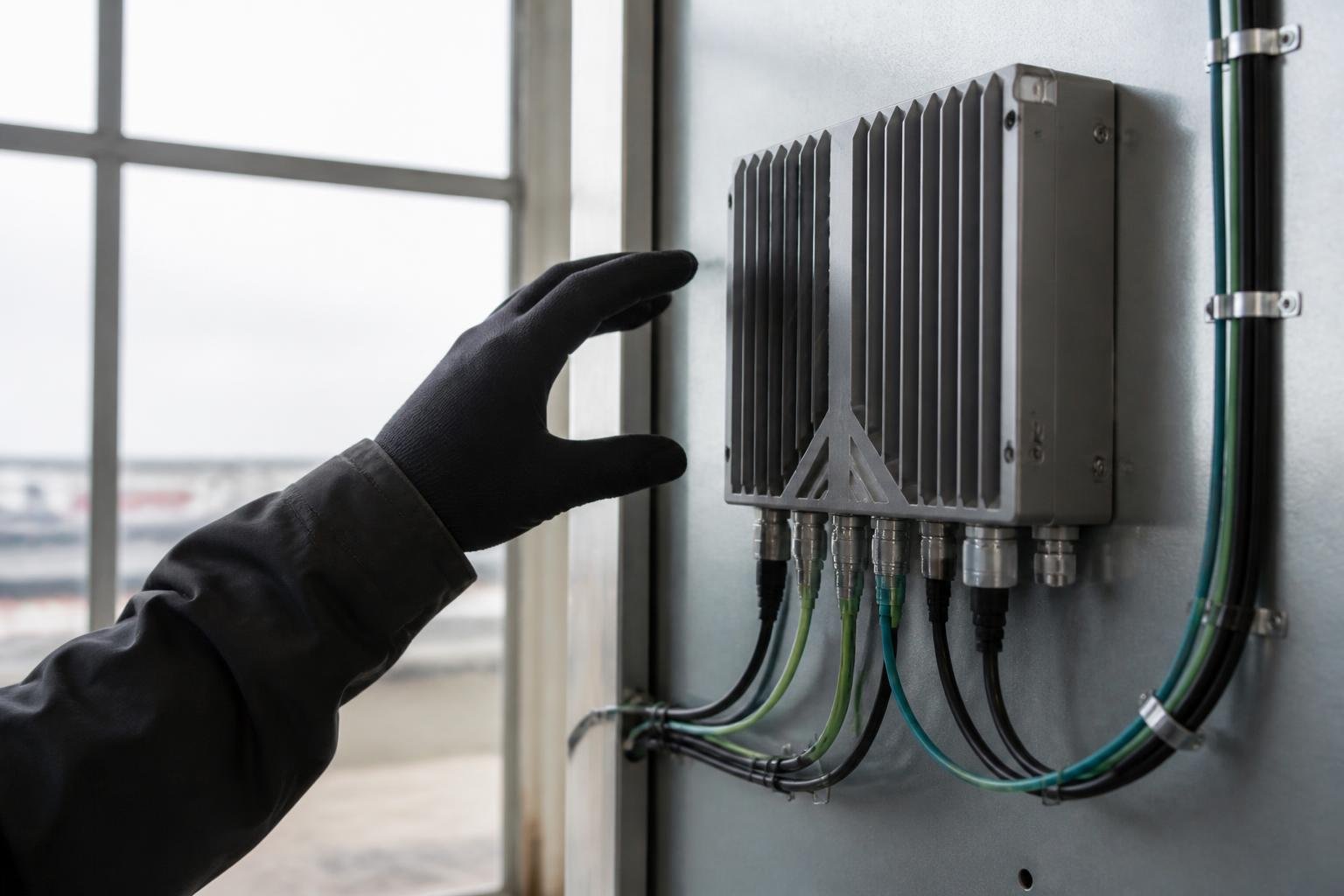
Why does this matter now? Because local AI deployment has exploded in 2025–2026, but the surrounding infrastructure has lagged behind. Everyone talks about which models fit on edge hardware, but fewer people talk about what happens to the data pipeline when the real world intervenes. Unstable networks, power outages, transient failures — that's where production-ready edge AI is truly put to the test.
This is an early signal from the community side, not peer-reviewed research, and it's unclear how many people have actually deployed this type of architecture in live production. But the fact that it surfaced organically on Lobsters — which is far more technically critical than Reddit — suggests that people recognize the problem.
If you work with edge AI, industrial IoT, or simply enjoy building resilient local AI setups, this is worth keeping an eye on. Durable streams aren't glamorous, but they're the difference between a demo and a system that actually survives contact with reality.