 APREX · EST. 2026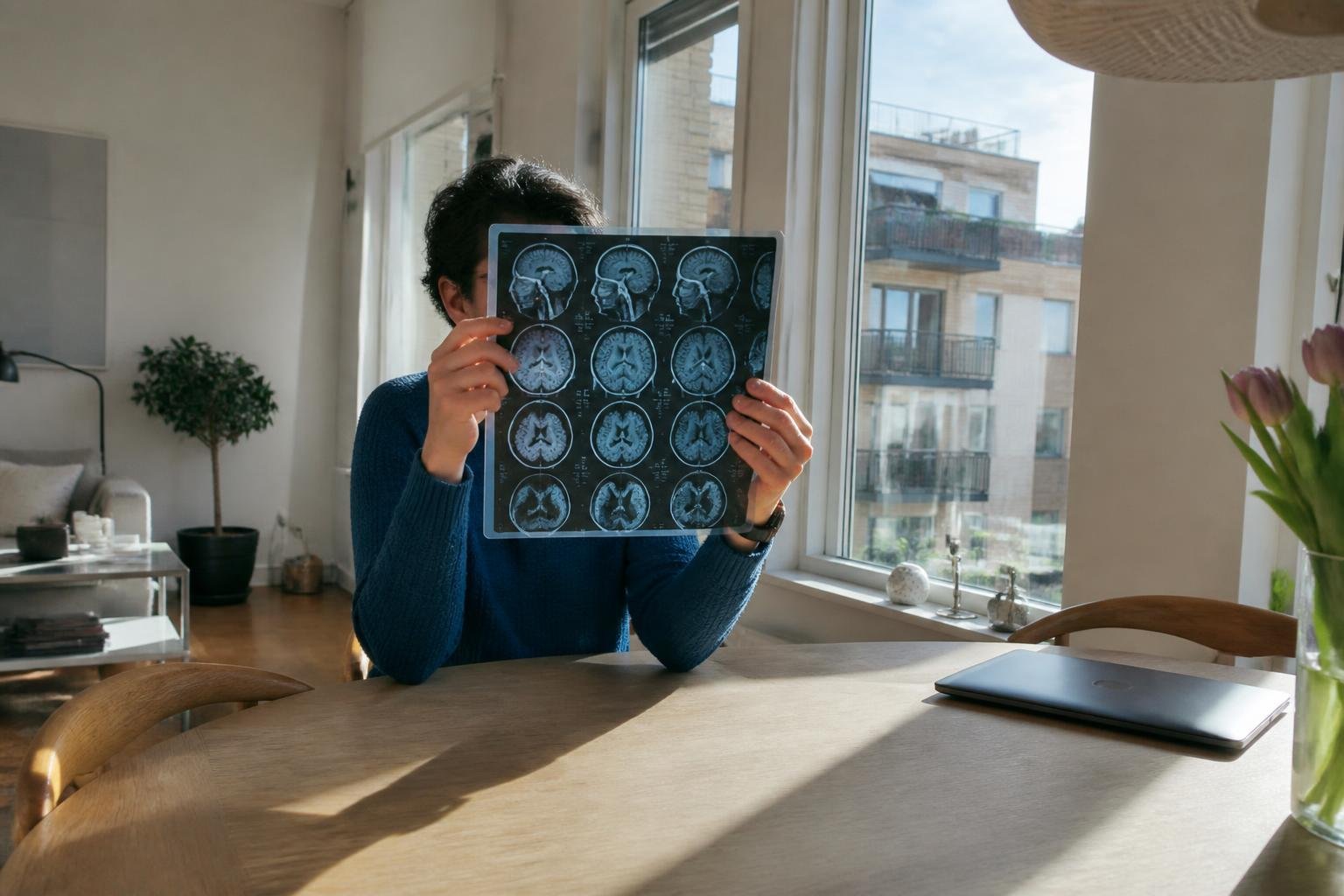
A blog post from Antoine (antoine.fi) has been performing exceptionally well on Hacker News over the past few days: the man used Claude Code Opus to examine his own MRI scan and wrote openly about the process and findings. The thread has now passed 286 points and is approaching 400 comments — high even by HN standards.
The article itself is about something fairly concrete: uploading MRI images and using Claude as a kind of second opinion — not as a replacement for the doctor, but as a tool for understanding what he is actually looking at. And it is precisely that nuance that has driven people to take sides.
The HN comment section is, as usual, divided. One camp considers this entirely legitimate — you have the right to understand your own health, and AI can help you ask better questions of your doctor. Another camp points to the obvious dangers: people can misinterpret answers, act on them, and in the worst case harm themselves.
The legal backdrop is not straightforward. According to available research, there is currently no federal law in the United States that places malpractice liability on an AI developer — the physician still holds responsibility. But this is evolving rapidly: some states are beginning to introduce laws that explicitly permit AI use in diagnostics, provided the physician approves and the patient is informed. One study notes that jurors judge radiologists more harshly when AI caught something the radiologist missed — that alone is enough to keep this topic burning.
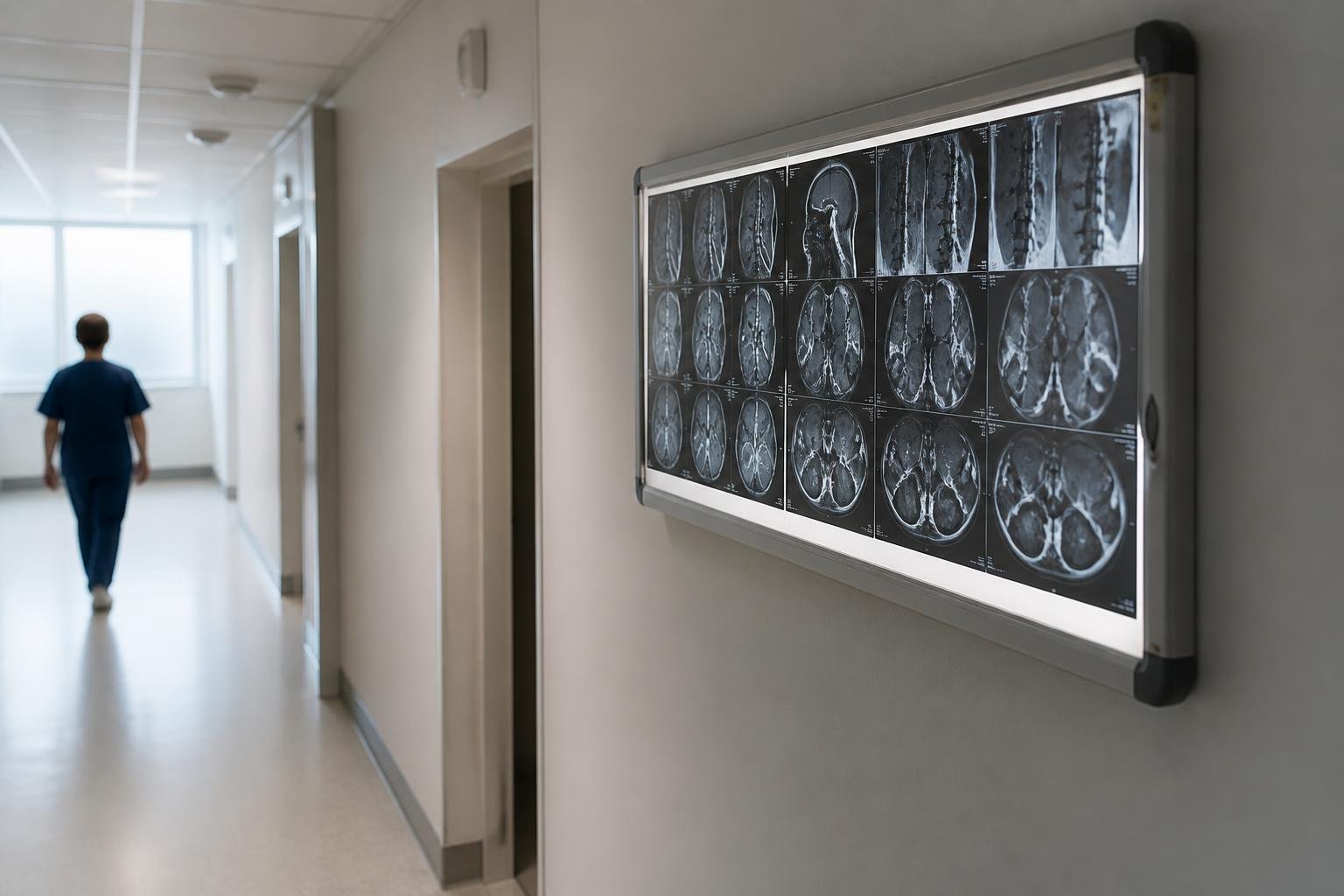
What makes this case particularly interesting in 2026 is that Claude Code Opus is a substantially more capable model than what people were experimenting with one to two years ago. The threshold for what a non-medical person can extract from such an interaction has dropped dramatically — and no regulation has kept pace with that shift.
For the AI-underground audience, the signal here is clear: we have entered a phase where people are actually using frontier models for things that until now were reserved for specialists, and society has not yet made up its mind about how it feels about that. The discussion on HN is worth following — it is rare for a single blog post to bring engineers, physicians, and lawyers together in the same thread.
Watch to see whether health-tech media picks this up over the next few days. It has the smell of mainstream.