 APREX · EST. 2026
Tech Giants Sound the Alarm
Two of the world's most powerful AI laboratories, OpenAI and Anthropic, have taken an unusual step by co-signing a letter addressed to U.S. elected officials. According to Wired, the letter urges authorities to strengthen oversight of synthetic DNA sequences — genetic material that could potentially be exploited to develop biological weapons of mass destruction.
The letter has also been signed by a number of prominent AI leaders and scientists, lending the appeal considerably more weight than either company could carry alone.
AI makes it easier to design biological components — and that places entirely new demands on who can actually track what is being produced
What Exactly Is the Problem?
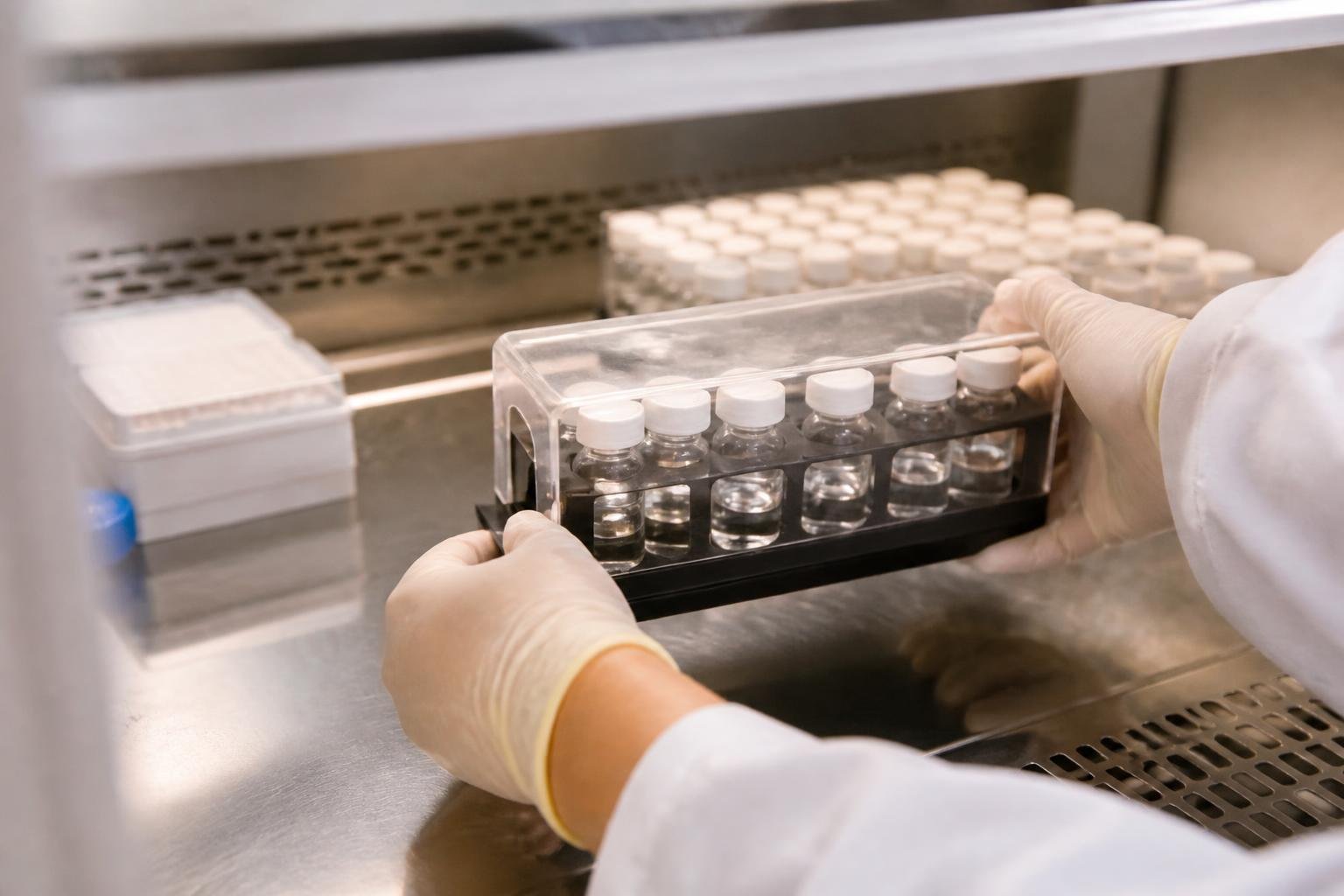
Synthetic DNA consists of artificially produced genetic sequences that can be ordered from commercial suppliers and used in legitimate research. But those same sequences could — in the wrong hands — potentially be used to engineer dangerous pathogens or enhance existing biological threats.
Artificial intelligence now makes it easier than ever to design such sequences, dramatically lowering the barrier for actors who wish to misuse the technology. It is precisely this gap between technological capability and regulatory preparedness that is alarming the letter's signatories.
Existing Tracking Methods Fall Short
The tools currently available for tracing and verifying synthetic DNA sequences are technologically sophisticated, but far from comprehensive. Methods such as next-generation sequencing (NGS) are considered the gold standard for analyzing genetic edits, yet they are costly and require advanced bioinformatics support.
Tools like PlasmidHawk — developed by researchers at Rice University — can today identify the laboratory that produced a given sequence with roughly 76 percent accuracy, and can pinpoint the correct lab among ten candidates in 85 percent of cases. That is promising, but well short of what robust biosecurity demands.
AI as a Double-Edged Sword
At the same time that AI is helping researchers design new proteins and biological components, machine learning is also being deployed in monitoring efforts. Algorithms are used for sequence recognition, variant identification, and the detection of genetic patterns that may indicate dangerous sequences.
This tension — where the same technologies are used both to create and to control — lies at the heart of the concern now being raised by the industry itself.
Calls for Legislative Action
It is unusual for commercial technology companies to actively urge governments to impose stricter regulations on their own industry. The fact that both OpenAI and Anthropic — ordinarily fierce competitors — have united behind a shared demand signals that the threat is perceived as genuinely serious, according to Wired.
The letter specifically calls for better systems to track who is ordering synthetic DNA sequences, stricter requirements for suppliers in the market, and closer coordination between the technology and health sectors in identifying potentially dangerous uses.
Whether, and to what extent, lawmakers will act on the appeal remains to be seen.