 APREX · EST. 2026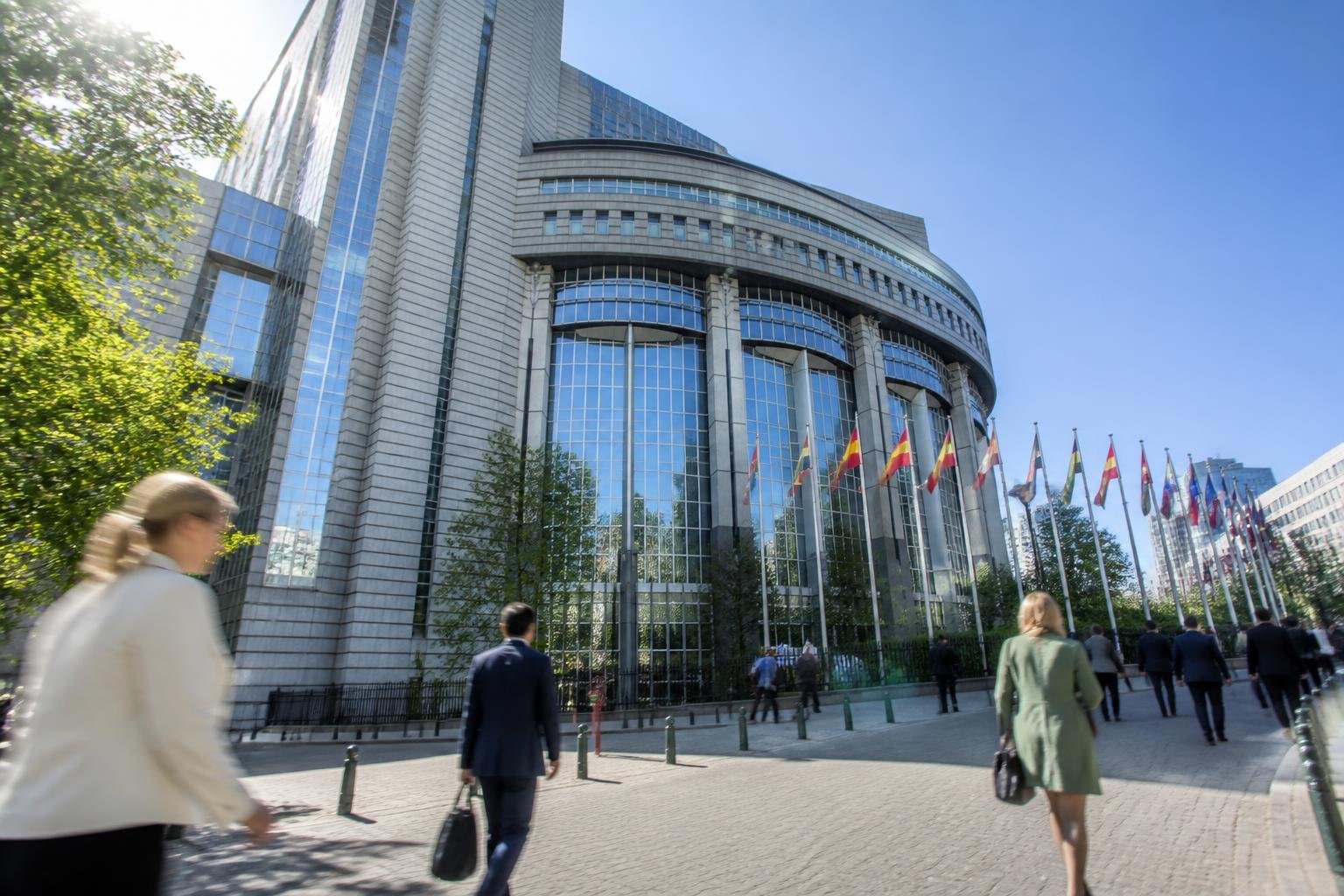
Europe has long depended on American technology companies to run its digital infrastructure. Now the European Commission wants to change that — and the signal from Brussels is unambiguous: the continent must take control of its own data, its own processing power, and its own AI systems.
A New European Digital Strategy
The European Commission has presented a new strategy to strengthen Europe's position in artificial intelligence, semiconductor manufacturing, and cloud infrastructure, according to Digi.no. The message from Brussels is direct: Europe cannot afford to depend on others.
The strategy is part of a broader effort to secure what the EU calls "digital sovereignty" — the ability to develop and control critical digital technology on European soil, without having to rely on actors outside the continent.
NHO backs the ambitions and stresses that Norwegian businesses and public-sector bodies should follow developments in the EU closely.
Europe cannot afford to depend on others — but history shows that ambitions have always been far easier to articulate than to deliver.

Earlier Initiatives Have Disappointed
This is not the first time the EU has set ambitious targets for digital independence. Past experience gives reason for pause.
The Gaia-X project, launched in 2020 with the goal of building a decentralised European cloud infrastructure, is a prime example. Despite billions in investment, European cloud providers' market share actually fell from 26 to 10 percent between 2017 and 2020, according to the project's former chief executive Francesco Bonfiglio. He has since identified political micromanagement as one of the key reasons for the failure — with politicians focusing on "how" rather than "what" and sidelining the experts.
Critics have also highlighted the paradox of major American players such as Microsoft and Amazon being invited in as founding members of Gaia-X — effectively undermining the very purpose of the initiative.
AI: Europe Lags Behind the US and China
The picture on the AI front is equally challenging. Despite the EU AI Act — which regulates artificial intelligence more strictly than anywhere else in the world — Europe continues to trail both the United States and China in the actual development and commercialisation of the technology.
Experts point to structural weaknesses: a shortage of relevant training data, a brain drain of talented AI researchers to the US, and a policy environment that has in practice prioritised regulation over innovation. Research also shows that AI initiatives frequently fail without solid data governance as a foundation — something many European organisations still struggle to achieve.
Norway in European Waters
Norway is not an EU member, but is closely integrated into the European digital regulatory framework through the EEA Agreement. NHO emphasises that Norwegian businesses and public authorities should follow the new EU strategy carefully, both to capitalise on the opportunities it presents and to avoid being left out in the cold as the digital playing field shifts.
For Norwegian technology companies, government agencies, and research institutions, developments in Brussels will largely define the rules of the game — regardless of whether Norway has a seat at the table where decisions are made.
The Question Is Whether the EU Delivers This Time
The European Commission's new strategy is ambitious in its language. But based on past performance, there is every reason to scrutinise implementation just as closely as the level of ambition itself. Political will, coordination among member states, and the ability to actually build competitive technology — rather than merely regulate it — will determine whether Europe can this time make good on its promises.
For Norway, that means staying engaged, participating wherever possible, and ensuring that Norwegian expertise and infrastructure keep pace with what could prove to be a decisive phase in European technological development.
Sources: Digi.no, the EuroStack report, the Draghi Report (2024), Francesco Bonfiglio / former Gaia-X, the European Commission.