 APREX · EST. 2026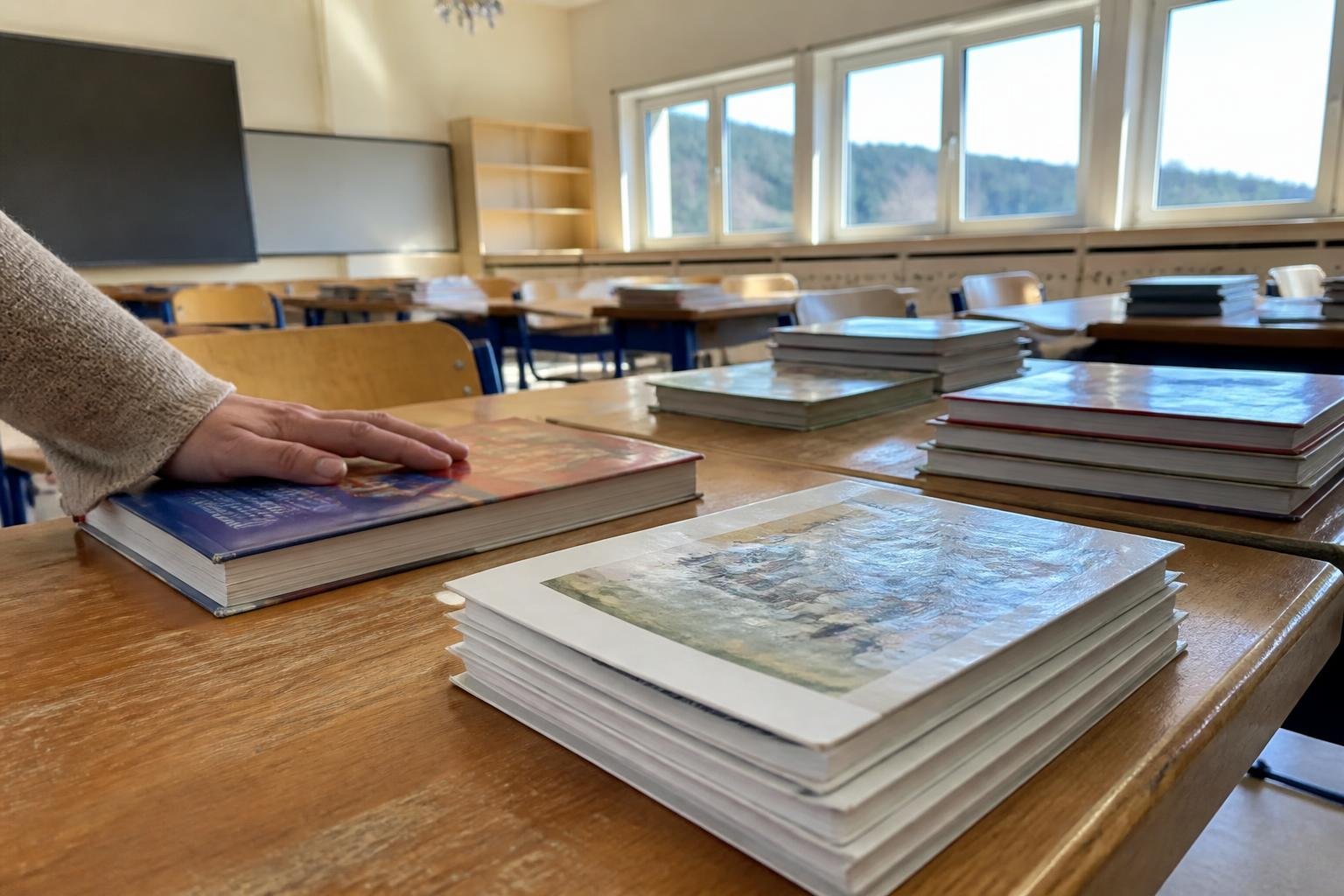
Norway is reversing course on school policy. From the next academic year, in late August 2026, primary school pupils will be effectively prohibited from using generative AI tools in the classroom. Authorities confirmed the move in a policy announcement that has attracted widespread international attention, including coverage by Tempo.co English.
A ban for the youngest pupils
The ban covers all pupils from first through seventh grade — children between the ages of six and thirteen. The government justifies the decision on the grounds that excessive use of technology can come at the expense of acquiring foundational skills such as reading, writing, and mathematics.
Prime Minister Jonas Gahr Støre has been unequivocal in his reasoning. According to sources, he stresses that "the most important thing in school is that children learn to read, write, and do arithmetic," and warns that excessive reliance on AI risks undermining the very development of those skills.
We were among the first countries that wanted to be world leaders in educational technology. Now we are seeing a very sharp U-turn.
Those words come from Professor Marte Blikstad-Balas at the University of Oslo, according to the research material associated with the case. She points to declining reading scores and falling enthusiasm for reading among Norwegian pupils as key drivers behind the political change of direction.

From iPads to physical books
For many years, Norwegian primary schools have been defined by a strong commitment to digital learning. In the 2021/2022 school year, more than eight in ten compulsory school pupils had access to a personal digital device provided by their school. By 2023, that figure had risen to 93 percent. Almost all schools — 98 percent — used a combination of digital and printed teaching materials.
The government now wants to reverse this trend. As part of the new policy, a significant increase in funding for physical books in classrooms has been proposed — a clear signal that print is once again to play a central role in early-years education.
Building on the smartphone ban
This is not the first time Norwegian authorities have placed restrictions on technology use in schools. In 2024, a ban on smartphones in classrooms was introduced. According to the research material, subsequent studies showed that the ban contributed to reduced bullying and higher average grades.
It is worth noting that the research material linked to the smartphone ban has not been independently verified in this article, and claims of direct causality should be read with that caveat in mind.
Mixed signals from experts
Academic opinion is divided. A 2025 study on digital tools in mathematics education found that such tools can promote differentiated learning and greater pupil engagement — but that excessive dependence on technology and difficulties maintaining classroom concentration are real challenges.
A 2023 report from the Norwegian Agency for Digital Public Services also highlighted that privacy and information security had been deprioritised in the selection of digital teaching materials, and that responsibility for inadequate adaptations had fallen disproportionately on pupils and parents.
International attention
Norway's decision is being closely watched abroad. Several European countries are discussing similar measures, and the Norwegian model — combining screen restrictions for younger pupils with increased investment in physical learning resources — is likely to be cited in forthcoming policy debates on AI in schools.
The ban takes effect at the start of the school year in late August 2026.