 APREX · EST. 2026
A Product Hunt listing for SoundPipe has begun attracting attention in audio and developer communities. It hasn't gone explosive yet, but the signal is clear enough to raise eyebrows.
At its core, SoundPipe is a DSP library — traditional digital signal processing, not some fancy transformer network. But what's interesting is when it's showing up: right in the middle of a period when AI-based audio processing is trying to take over everything from mastering to narration and noise reduction.
And that's precisely where the conversation gets interesting. The audio community has long been frustrated with AI tools that promise a lot but deliver generic results. AI mastering gives you something that sounds "broadcast-ready," but lacks the manual fingerspitzgefühl. Real-time AI processing drains batteries and introduces latency. AI-generated DSP code has even been observed "hallucinating" its way to code that isn't real-time safe — a genuine problem in live audio contexts.
Traditional DSP, as represented by SoundPipe, is the polar opposite: predictable, low-latency, and you know exactly what's happening under the hood. The downside is that it's rigid — it doesn't adapt to chaotic environments as elegantly as AI models can, at least in theory.
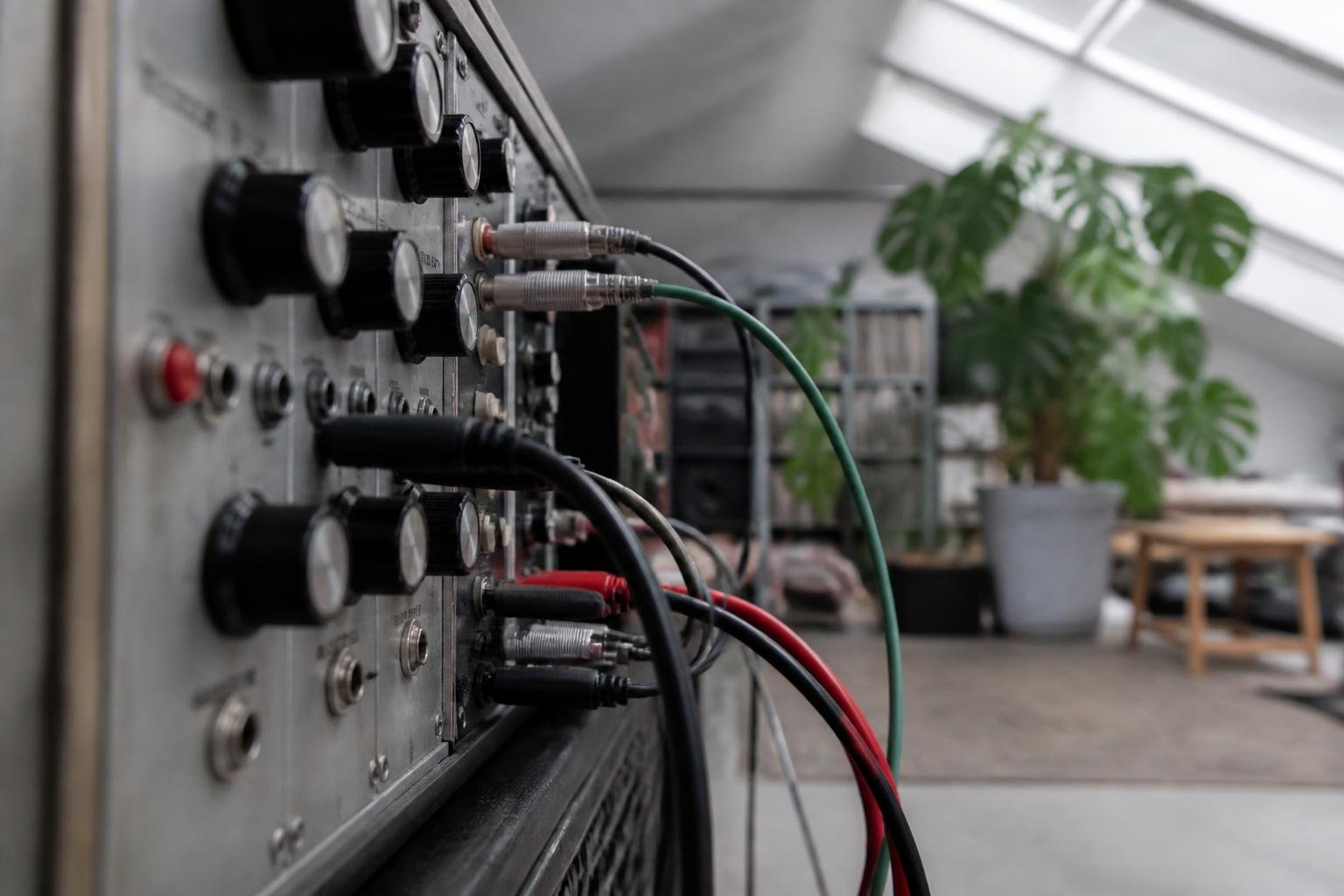
What makes this a worth-watching signal right now is that developers and sound designers are starting to talk about a hybrid approach. Not AI instead of DSP, but AI layered on top of solid DSP primitives. SoundPipe could well become a piece of that puzzle — a library that gives AI systems a stable, deterministic foundation to build on.
This is not a finished revolution. The Product Hunt page has limited discussion, and this is an early signal from community sources, not validated by independent testing or mainstream tech press. Take it with the grain of salt it deserves.
But if you work with audio, AI agents that need to generate or process sound, or you're simply curious about where the line falls between "old-fashioned" DSP and modern AI — it's worth keeping an eye on what happens around SoundPipe over the coming weeks.