 APREX · EST. 2026
A thread that's gaining traction on Product Hunt right now is about Poolside and their new Laguna models — and it's worth a closer look before it gets buried under the usual noise from the big names.
Poolside is a San Francisco-based company that has flown relatively under the radar, but they've clearly been putting the time to good use. The Laguna family consists of two models: M.1, the flagship with 225 billion total parameters (but only 23 billion activated thanks to MoE architecture), and XS.2, a compact sibling with 33 billion total parameters and just 3 billion activated.
Both are trained on 30 trillion tokens with one clear purpose: agentic coding. Not general-purpose chatbots. Not do-everything models. Code, long-horizon tasks, tool calls — that's what they're built for.
The numbers that are making people raise their eyebrows: Laguna M.1 lands at 72.5% on SWE-bench Verified, beating Devstral 2 (72.2%) and placing it just below Claude Sonnet 4.6 (79.6%) on that leaderboard. On SWE-Bench Pro, M.1 approaches models like Qwen-3.5 and DeepSeek V4-Flash — models that are considerably larger.
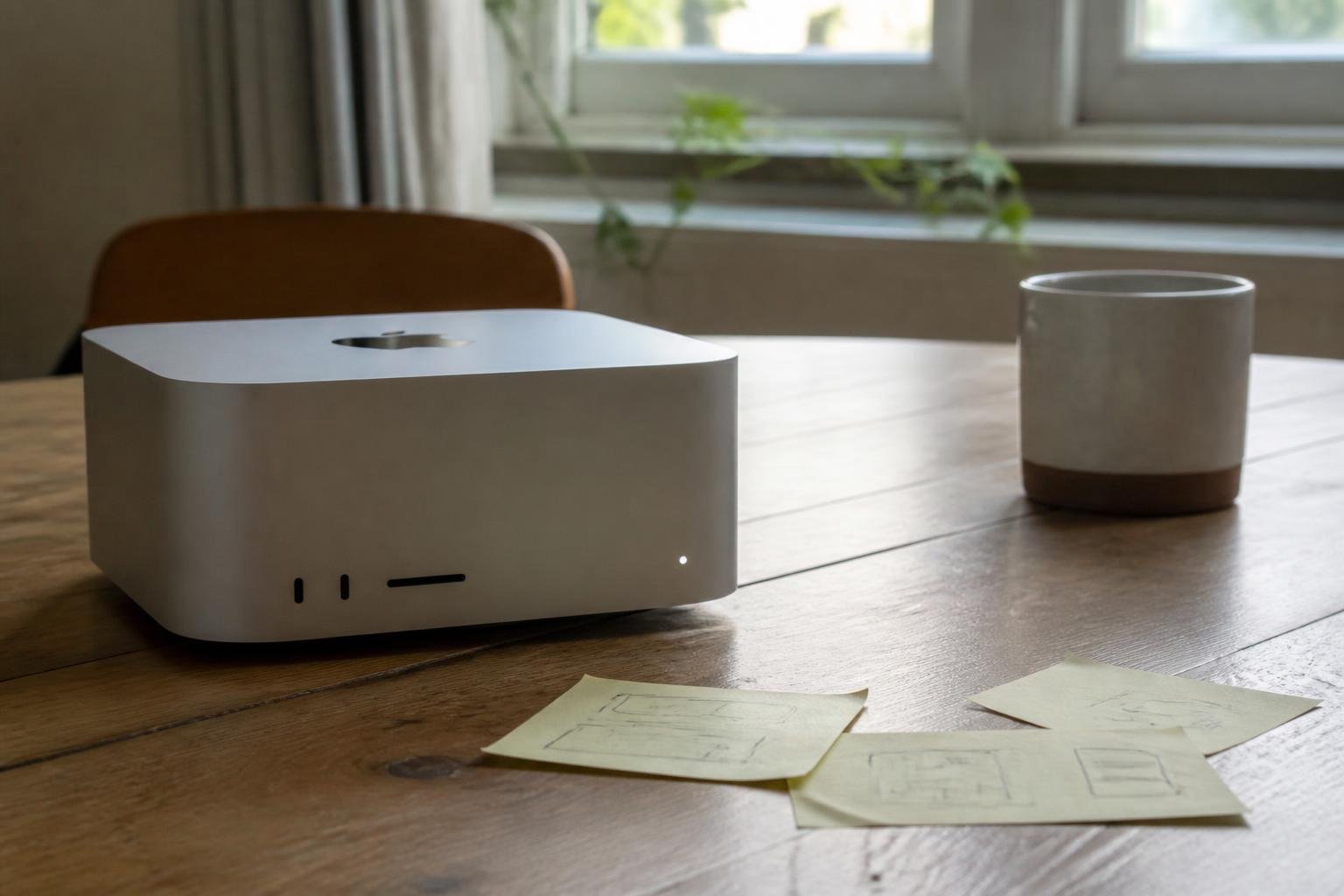
But the really interesting story is XS.2. It scores 44.5% on SWE-Bench Pro — nearly identical to its bigger sibling M.1 — and has been released as open-weight under Apache 2.0. You can download it, run it locally, and use it commercially. And it only requires 36 GB RAM, putting it within reach of a Mac Studio or similar hardware.
Why does this matter beyond the benchmark numbers? Because it demonstrates that targeted training on agentic reinforcement learning and synthetic data curation can massively compensate for raw model size. Poolside hasn't won by throwing more compute at the problem — they've won by staying focused.
M.1 is currently available for free via Poolside's API and on OpenRouter (for a limited time), meaning developers can test it without spending a dime. That lowers the barrier to actually trying it yourself.
Keep in mind these are early signals from community sources and the product page — independent, long-term evaluations of these models in production are still missing. But the numbers are strong enough that Poolside is worth watching going forward. Especially if you're working with agentic workflows and looking for an open-weight alternative that actually delivers.