 APREX · EST. 2026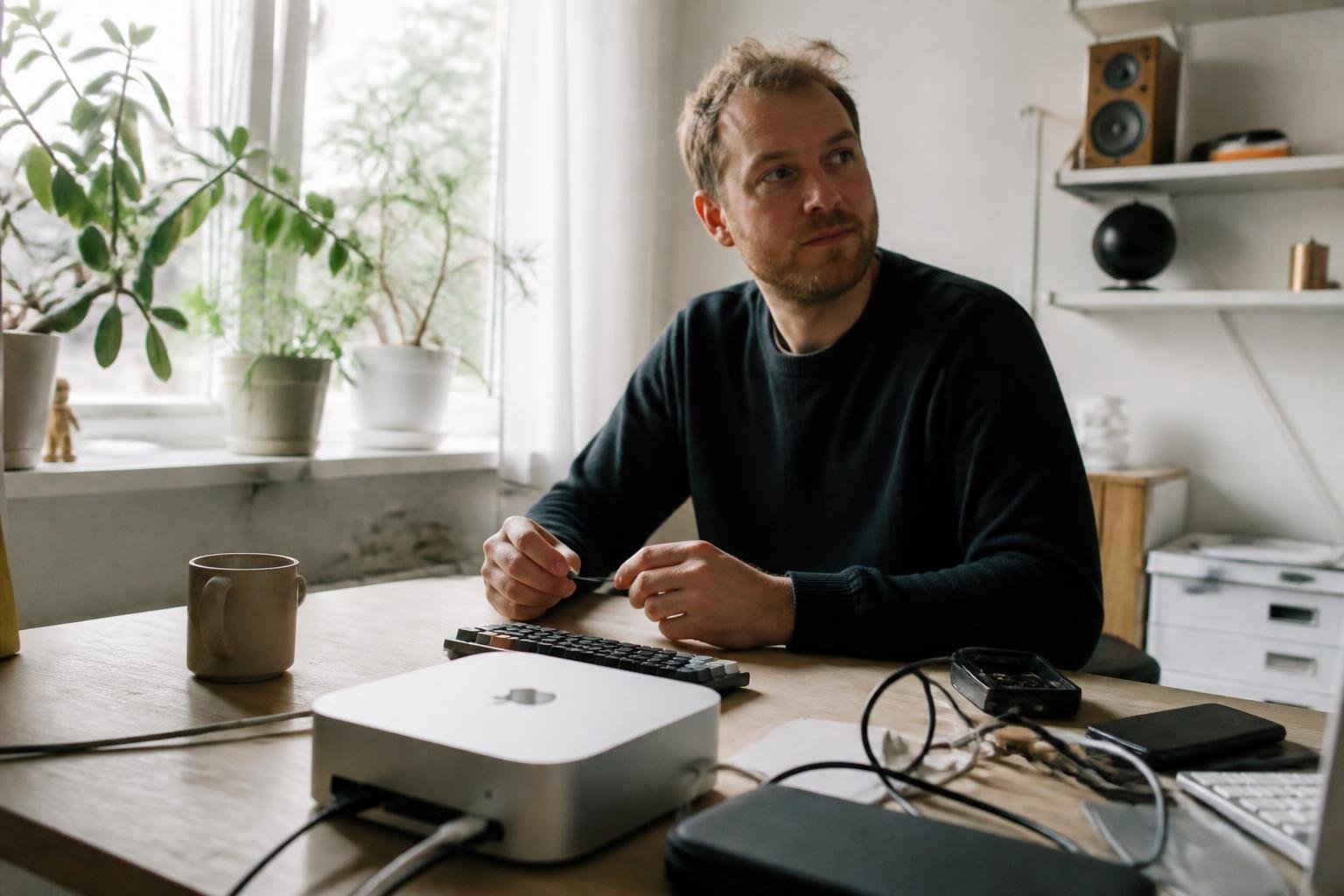
A blog post from thoughts.hmmz.org has set Hacker News alight this week. The title says it all: the author is considering cancelling their AI subscription. Not because AI is useless — but because local alternatives are starting to get genuinely good.
The thread has already passed 375 points and over 230 comments, and it's clear this is striking a nerve. People are tired of paying $20–$200 a month for access to models they don't control, can't use offline, and that can change behaviour overnight without warning.
What makes this particularly interesting right now is that model quality has taken a serious leap in 2026. Qwen3, Google's Gemma 4, OpenAI's surprisingly open gpt-oss models, and Meta LLaMA 4 have all landed in the hands of people who want to run them locally. Tools like Ollama and Jan make installation a matter of minutes — no terminal anxiety required.
The HN comment section is filled with people describing specific workflows they've migrated away from Claude, ChatGPT, and Copilot. Coding, writing, document summarisation — tasks that previously required the cloud now work perfectly well on a personal machine. Privacy is cited as a major driver, especially among developers who don't want to send source code to third-party APIs.
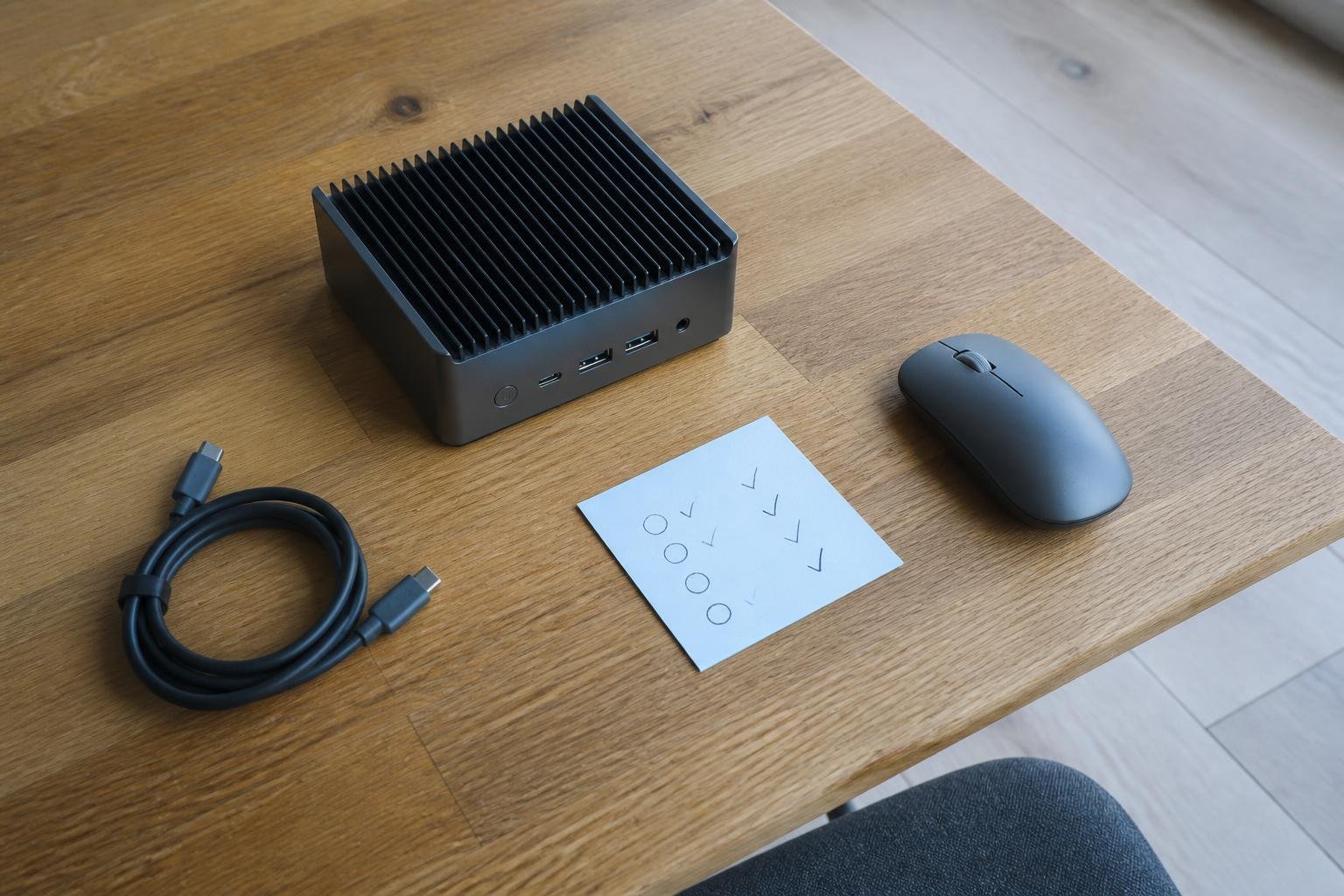
It's worth noting that these are still early signals from community sources — a blog post and an HN thread are not peer-reviewed research. And local models have real limitations: they require decent hardware, and the best proprietary models (GPT-4o, Claude Opus) are still a step ahead on complex tasks.
But the momentum shift is hard to ignore. A year ago, "run it locally" was advice you got from enthusiasts with an RTX 4090. Now it's a genuine option for everyday developers and power users with a modern laptop or a small desktop.
If this trend accelerates, it's something subscription-based AI companies should take seriously. Not because local AI is taking over everything — but because it sharpens the value question: what are you actually paying for?
Worth keeping an eye on.