 APREX · EST. 2026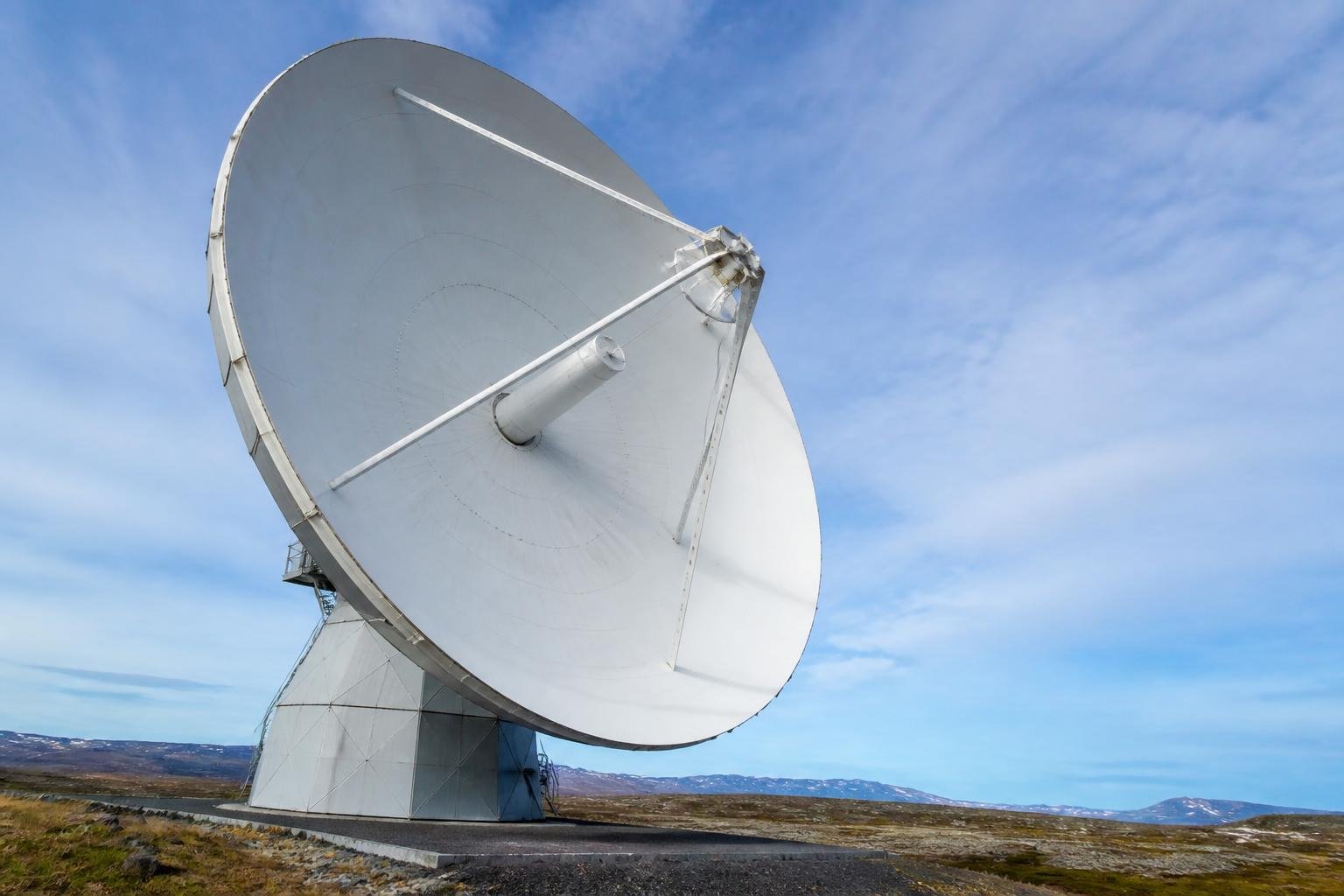
At the intersection of space technology and artificial intelligence, a new infrastructure battle is taking shape. Google has struck a deal with Elon Musk's SpaceX to purchase computing capacity, according to Stratechery. Combined with strong growth at semiconductor manufacturer Broadcom, this paints a picture of a market in which access to raw computing power remains the single most important bottleneck in AI development.
Bullish for Nvidia — again
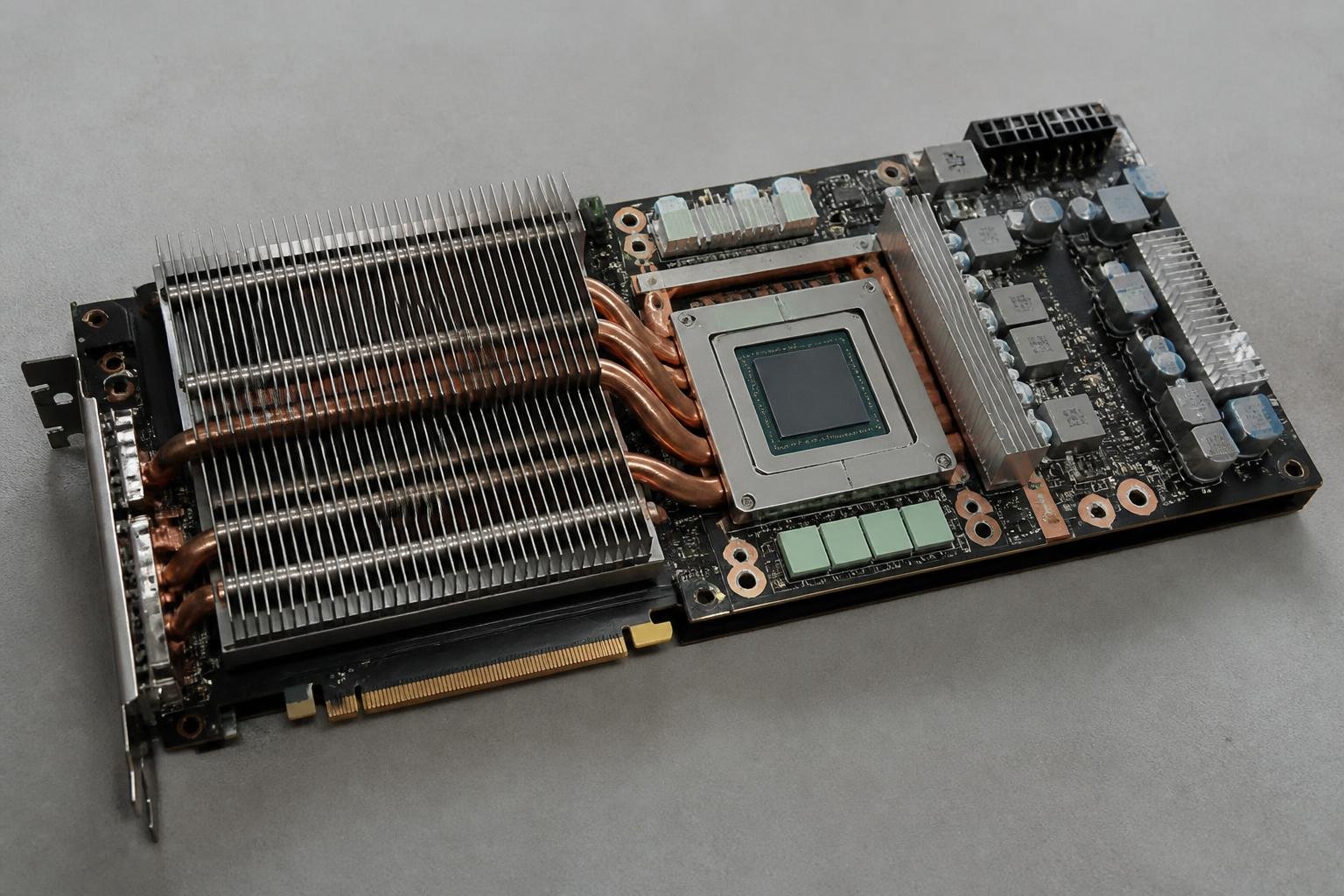
Both Google's SpaceX deal and Broadcom's latest quarterly outlook point in the same direction: demand for advanced GPU capacity is far from saturated. When one of the world's most powerful cloud providers chooses to buy external computing capacity rather than relying exclusively on building its own data centers, it signals that even the largest players cannot scale fast enough on their own, according to the Stratechery analysis.
Broadcom, which manufactures networking chips and custom AI accelerators for major customers including Google, reported an outlook confirming that appetite for investment in AI infrastructure remains high well into 2026.
Not even the largest cloud players can scale fast enough on their own — and that is sending demand for external capacity soaring
Space-based cloud infrastructure: a new market takes shape
Google is not alone in looking to outer space for solutions. A handful of companies are now building what could become the next generation of cloud infrastructure — in orbit around Earth.
A common thread running through many of these solutions is the claim of dramatically lower energy costs. Starcloud, for example, claims that AI training in space can cost up to ten times less in energy terms compared with ground-based data centers. This has not yet been independently verified, but if the claims hold up, they could fundamentally alter the calculus for major AI players.
Microsoft and Amazon are not far behind
The two other major hyperscalers are watching developments closely. Amazon Web Services already offers its AWS Ground Station service for satellite communications and data processing, and has invested heavily in its own satellite constellation, Amazon Kuiper. In a comparison from November 2023, AWS was ranked the leading cloud platform for remote sensing and machine learning, according to the research material.
Microsoft Azure, for its part, has partnered with SpaceX on Starshield — the military variant of Starlink — with Azure cloud services built directly into the satellite layer via embedded edge processing.
What's happening at WWDC?
The Stratechery analysis also touches on Apple and the upcoming WWDC event, where anticipation centers on the company's AI strategy and the political dynamics surrounding it. What Apple will specifically announce, and what position the company will take in an increasingly politicized AI landscape, is one of the big questions in the technology industry right now. Details from the source are sparse, and there is little concrete to report at this stage.
An infrastructure battle with no clear winners yet
What is clear is that infrastructure capacity — whether located on the ground or in orbit — remains the most critical scarce resource in the AI era. Google's decision to purchase capacity from SpaceX, rather than relying solely on its own resources, illustrates that even the largest players are navigating a market where supply can barely keep pace with demand.
The source is Stratechery, which is known for well-documented technology analysis, but it should be noted that parts of the underlying material — in particular claims from companies such as Starcloud regarding energy savings — have not been independently verified as of today.