 APREX · EST. 2026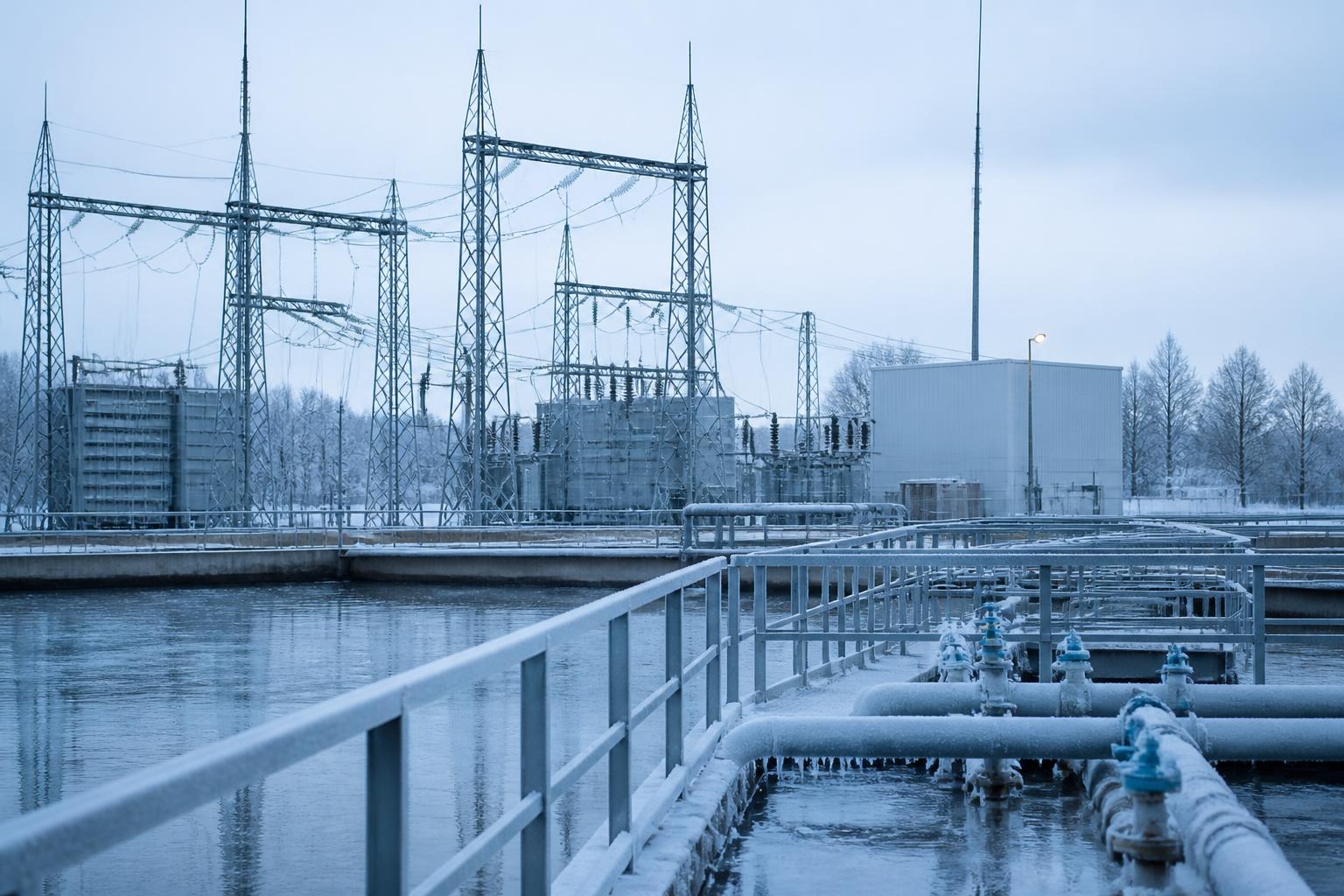
A Real-time Strategic Lag
An increasingly clear divide is emerging between the US and Europe in the race to secure critical infrastructure with artificial intelligence. According to E24, the US is negotiating access to AI systems that can monitor and defend power grids, water supply, and digital infrastructure — while European actors are largely excluded from the most advanced solutions.
This is not just a technological issue. It is about who controls the tools that protect society's lifelines.
The Computing Power Gap is Critical
Europe currently controls only five percent of global AI computing power, according to research cited in the source material. This gap has direct consequences for the continent's ability to develop and operate its own AI systems for infrastructure protection.
Proposals circulating in European political circles include the creation of so-called «Special Compute Zones» — high-security data centers dedicated to defense, intelligence, and critical infrastructure. However, such initiatives are currently only in the conceptual stage.

The AI Act: Ambitious, but Future-Dated
The EU's AI Regulation (AI Act), which came into force in August 2024, is the world's first comprehensive legal framework for artificial intelligence. The law classifies AI systems used in the management and operation of critical digital infrastructure, road traffic, and the supply of water, gas, and electricity as «high-risk.»
This entails strict requirements for risk management, data quality, traceability, and human oversight. Serious incidents — defined as incidents leading to death, serious injury, or «serious and irreversible disruption» of critical infrastructure — must be reported to national supervisory authorities within 15 days.
However, the specific rules for high-risk systems do not apply until December 2, 2027. For AI integrated into physical products such as robotics and industrial machinery, the deadline is extended to August 2028.
Politicians Warn of Machine-Speed Threats
European elected officials are not unaware of the problem. MEP Bart Groothuis stated in May 2026 that new AI models introduce what he describes as «a doctrine of overwhelming force in the cyber domain,» and that large-scale hacking now occurs «at the speed of light.» MEP Christophe Grudler emphasizes that AI multiplies cyber threats — they have become more sophisticated, faster, and more numerous.
EU Vice-President Henna Virkkunen acknowledges that AI can provide defenders with powerful tools to protect critical infrastructure but also points to the serious risks that arise if such technology falls into the hands of malicious actors.
Digital Sovereignty as a Political Goal
Central to Europe's strategy is the concept of digital sovereignty — the goal of reducing dependence on foreign technology and ensuring that critical digital infrastructure and security tools are developed and managed within the EU. It is a goal with broad political support, but its implementation lags behind the pace of technological development.
Combined with the fact that the US is now actively negotiating access to the most advanced AI systems for infrastructure protection, the European lag appears to be more than a technical problem — it is a geopolitical reality with direct consequences for the security of millions of Europeans, including Norwegians who are closely integrated into the EU's digital infrastructure through the EEA Agreement.
Sources: E24 Technology, European Commission / EU AI Act documentation, statements from MEP Bart Groothuis and MEP Christophe Grudler (May 2026), EU Commission Vice-President Henna Virkkunen (May 2026).