 APREX · EST. 2026
The European Commission has put forward two ambitious legislative proposals that will shape European technology policy for the next decade: a revised Chips Act — dubbed Chips Act 2.0 — and a new Cloud and AI Act. For Norwegian companies and research institutions bound by the EEA Agreement, these are not distant Brussels documents. They are regulatory conditions that will directly influence investment decisions, compliance requirements, and competitiveness.
From fragmented support to a centralised powerhouse
The original EU Chips Act was adopted in September 2023 with the ambition of mobilising €43 billion in public and private investment by 2030. The problem, according to Evertiq, was that only €3.3 billion of this represented direct EU funding — the remainder depended on member states' own contributions and private capital. The outcome was criticised for being too dispersed and too slow.
Chips Act 2.0 attempts to address this by significantly centralising the funding.
The proposal includes a dedicated EU budget line of at least €20 billion under a new European Competitiveness Fund. In addition, there are discussions about channelling between €30 and €60 billion in EU funding over the next seven years, with the goal of unlocking up to €300 billion in total investment.
A subsidy war on a global scale
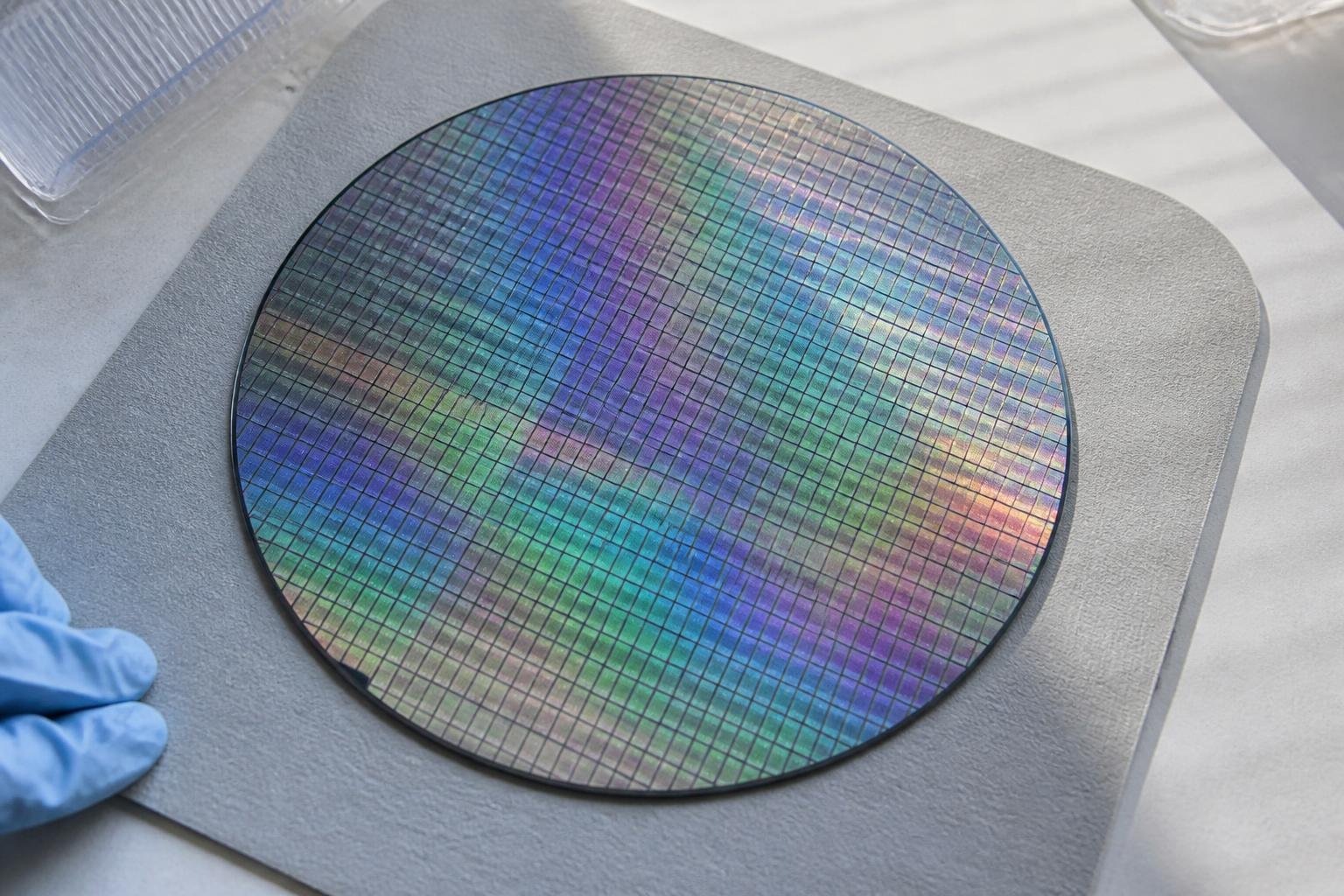
The backdrop is an intensifying geopolitical competition for semiconductor manufacturing. The United States passed its CHIPS and Science Act in August 2022, earmarking $52.7 billion for semiconductor research and production. Of that, $39 billion consists of direct manufacturing subsidies, according to the research documentation underpinning this article.
The EU's share of global semiconductor production currently sits well below strategically desirable levels, and Brussels is determined to close the gap — particularly with respect to Taiwan, South Korea, and the United States.
This is creating what analysts describe as a global "subsidy race", in which major semiconductor manufacturers can choose their location based on who offers the most favourable terms. For Norwegian companies in the supply chain — in advanced electronics, defence equipment, or industrial automation — this could mean shifts in procurement costs and supply security.
Cloud and AI Act: New rules for cloud infrastructure
Alongside the semiconductor push, the European Commission is proposing a Cloud and AI Act which, according to Evertiq, will regulate cloud infrastructure and AI services across the single market. The full details of this proposal have yet to be published, but it is expected to complement the already adopted AI Act — which entered into force gradually from 2024 — with specific rules targeting cloud services and data processing.
For Norwegian actors that use or provide cloud-based AI services, this regulatory framework will likely be incorporated into Norwegian law through the EEA process, in the same way as the AI Act and GDPR.
Not just competition — cooperation too
It is important to add nuance to the picture: Chips Act 2.0 also provides for "Strategic Partnerships on Semiconductors" with allied countries. The EU does not necessarily seek to compete with the United States across the board, but rather to specialise where Europe already has strengths — for example in semiconductor equipment, where Dutch firm ASML is the global leader, or in specialised AI chips.
Over time, this could give rise to a more complementary global division of labour, in which the US and the EU fill different roles in the value chain — rather than engaging in pure zero-sum competition.
Companies and institutions that follow these processes closely will likely have a head start when funding opportunities and regulatory requirements are fleshed out during 2026 and 2027.