 APREX · EST. 2026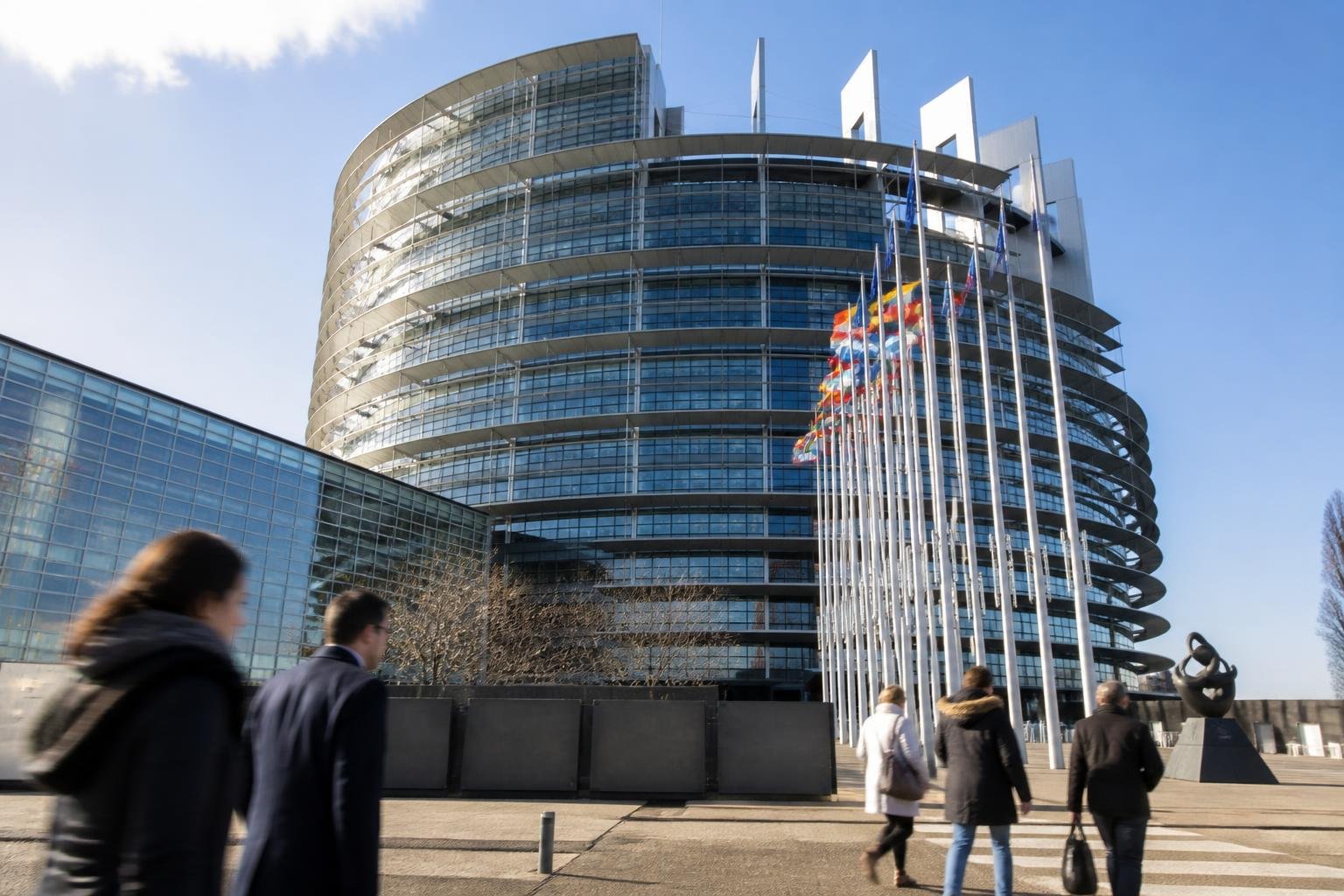
The EU AI Act formally entered into force in August 2024, but the road to full implementation has proved far more tortuous than planned. After months of pressure from industry and member states, the European Parliament voted on 16 June 2026 to formally amend the law's deadlines – with 423 votes in favour and just 57 against.
What was postponed – and for how long?
The most significant change concerns so-called high-risk AI systems listed in Annex III of the Act. These include AI used in biometrics, critical infrastructure, education, and employment. The original deadline was 2 August 2026. It has now been pushed back to 2 December 2027 – a delay of 16 months.
For AI systems embedded in regulated products such as medical devices or toys, the deadline extends all the way to 2 August 2028.

What does this mean for Norway?
Norway is not an EU member, but as an EEA country it is obliged to incorporate EU legislation into national law. When the EU AI Act is brought into the EEA Agreement, the new, extended deadlines will come with it. Norwegian businesses that had geared up for the original August 2026 deadline now have more time – but also a longer period of uncertainty about what the final rules will require in practice.
Norwegian implementation also depends on the EEA incorporation process being completed, which in practice can take additional time beyond the EU's own deadlines.
Industry relief – and the concerns
The reaction from business has been broadly positive. According to the research base, industry players describe the delay as "welcome" and point to delayed standards and high compliance costs as having made the original deadlines difficult to meet. Cecilia Bonefeld-Dahl, Director General of Digital Europe, stated that the delay shows the democratic process is working: lawmakers needed more time, and industry was heard.
Germany was among the member states that argued most forcefully for postponement, on the grounds that the original framework was becoming unmanageable – particularly for manufacturers already facing overlapping requirements from multiple EU laws.
Critics warn that companies may now have an incentive to rush high-risk AI to market quickly – before the new deadlines take effect.
Loopholes and a 'race to market'
Not everyone is satisfied, however. The Act contains a non-retroactive clause, meaning AI systems already on the market are not required to comply with the new rules. Combined with the postponement, critics argue this creates a genuine loophole: companies may have a strong incentive to launch sensitive AI applications quickly – precisely to get in under the radar.
Member of the European Parliament Sergey Lagodinsky of the German Greens describes this as "a loophole" and "a weak spot" in the law. Dutch MEP Kim van Sparrentak expressed concern that large tech companies are celebrating, while European companies committed to safety risk facing "regulatory chaos".
S&P Global Ratings, while acknowledging the benefits of the delay, nonetheless stresses that the changes may create operational risks for smaller companies. These firms could end up deploying high-risk AI systems without adequate risk management procedures in place, increasing the likelihood of data breaches and unintended harm.
Risks for standardisation work
Another concern raised is the impact on European standardisation efforts. Laura Caroli, a former co-negotiator of the AI Act, warns that the delay risks undermining the standardisation ecosystem – something she describes as a strategic asset for Europe in the global race. If standards do not mature in step with the law, the entire foundation on which compliance is to be built will be weakened.
What happens next?
The formal amendments have now been adopted by the European Parliament and will be published in the Official Journal of the EU. For Norwegian businesses, this means there is no cause for panic – but no cause for complacency either. The EEA incorporation process takes time, and uncertainty around national sandboxes and technical standards remains.
This article draws on Ogletree Deakin's analysis of the European Parliament's decision, combined with research on industry reactions and criticism of the postponement.