 APREX · EST. 2026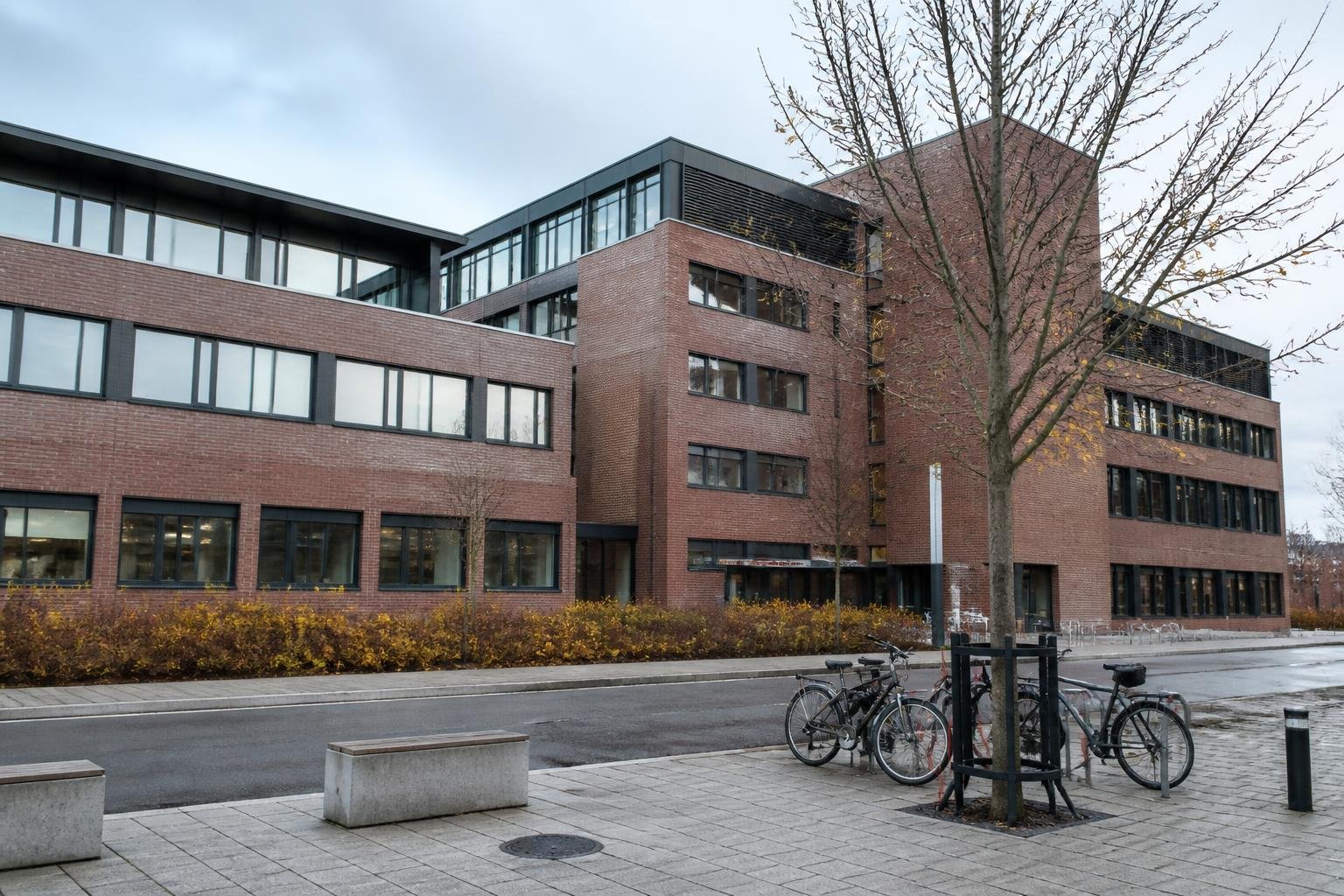
When Asker municipality faced a difficult question about protesters who had occupied a forested property, legal arguments were brought in to shed light on the matter. The problem was that some of the cited Supreme Court rulings did not exist. They had been fabricated by an AI tool, according to Digi.no.
Non-existent rulings used as fact
AI systems are known to produce so-called hallucinations — convincing but entirely false information. In a legal context, this typically takes the form of invented rulings, fictitious statutory references, and distorted legal reasoning that appears authentic.
In the Asker case, this was not caught in time. It remains unclear which AI tools were used, and the municipality has yet to publish a detailed explanation of how the misinformation ended up in the debate.
AI generates text that sounds correct — not text that is correct. That is what makes hallucinations dangerously convincing.
A global problem that is escalating
The Asker incident is not an isolated exception. A publicly available database, the "Government AI Hallucination Tracker," had recorded nearly 1,500 court cases globally as of May 2026 in which AI-fabricated material was actually relied upon by a party. More than 1,000 of those cases originate from the United States.
In 2025 alone, the number of cases involving hallucinated citation references in court documents increased sevenfold, according to the same source.
Research shows that general-purpose AI chatbots hallucinate between 58 and 82 percent of the time on legal questions. For specifically legal queries, the error rate can climb to between 69 and 88 percent.
US judges and the DoJ affected
The problem is not limited to municipalities and local government. In July 2025, two US federal judges withdrew their own rulings after admitting that staff had used public AI tools such as ChatGPT and Perplexity for legal research — resulting in errors and fabricated sources.
As recently as July 2026, a US district judge reprimanded the Department of Justice (DoJ) for citing a non-existent ruling in an immigration case, according to the research material. The ruling "Taylor v. Hott" simply does not exist. In April 2026, a former federal prosecutor was publicly censured for using generative AI in a court document filled with false citations.
In June 2026, a case in Mississippi was dismissed after the judge discovered that attorneys on both sides had submitted AI-generated briefs packed with fabricated references.
Professional tools versus general-purpose chatbots
Experts point to a key distinction: professional legal AI tools, built on curated databases such as Westlaw and Practical Law, report accuracy rates above 95 percent with full traceability. General-purpose AI chatbots are trained on unfiltered internet content and offer far weaker guarantees.
The National Center for State Courts (NCSC) emphasises that AI tools always require human verification, and that legal professionals should never submit AI-generated content without thorough review and citation checking.
A warning to Norwegian public administration
The Asker incident is a concrete example of what can happen when AI tools are adopted in an administrative context without adequate verification procedures. Legal material demands particularly high standards of source criticism — not least because hallucinated rulings can appear just as credible and detailed as genuine ones.
What internal procedures Norwegian municipalities have in place to catch such errors is not yet known. But the incident in Asker underscores that the question is urgent.
Sources: Digi.no, Government AI Hallucination Tracker, National Center for State Courts (NCSC)