
Norway's defense sector has moved from AI strategy to concrete action faster than most other public agencies. According to Altinget, there is now a broad desire for this approach to become a template for the entire Norwegian society.
One Billion for AI Infrastructure
The Armed Forces are building a dedicated AI center, initially located at Kjeller outside Oslo. The center will gather expertise and develop practical AI solutions to support the operations of the entire defense sector. The investment is set at one billion NOK.
Minister of Defense Bjørn Arild Gram (Sp) has been clear about the ambition: the defense sector shall identify, develop, implement, and use artificial intelligence responsibly. He particularly highlights applications such as preventive security, situational awareness, intelligence, and the improvement of weapon systems.
Drone Swarms in the Field
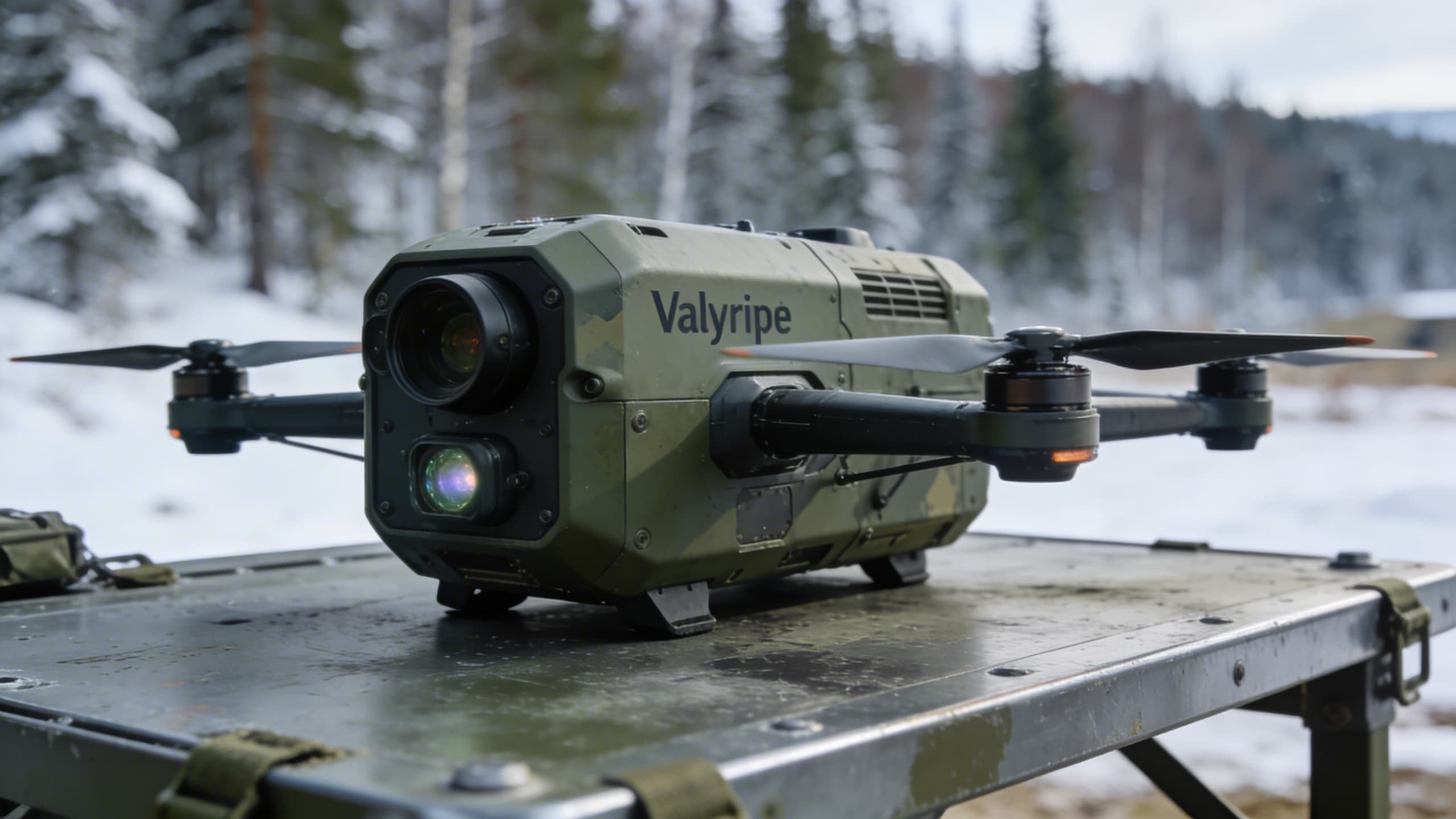
One of the most concrete examples of field deployment is the Valkyrie drone swarm system. The Army officially received its first system from the company Six Robotics in October 2025, developed in collaboration with the Norwegian Defence Research Establishment (FFI). The system is now undergoing operational testing in maneuver forces and at the Army's Weapon School.
Chief Technology Officer Jan Dyre Bjerknes at Six Robotics emphasizes that proximity to users is crucial: «If you are not close to the operators who will use the product, you quickly end up building the wrong things», according to FFI's own reports on the collaboration. FFI's Assistant Director Jan Erik Torp also points to an ongoing technological race in drone technology, making continuous development with end-user involvement absolutely necessary.
If you are not close to the operators who will use the product, you quickly end up building the wrong things
AI-Supported Military Planning
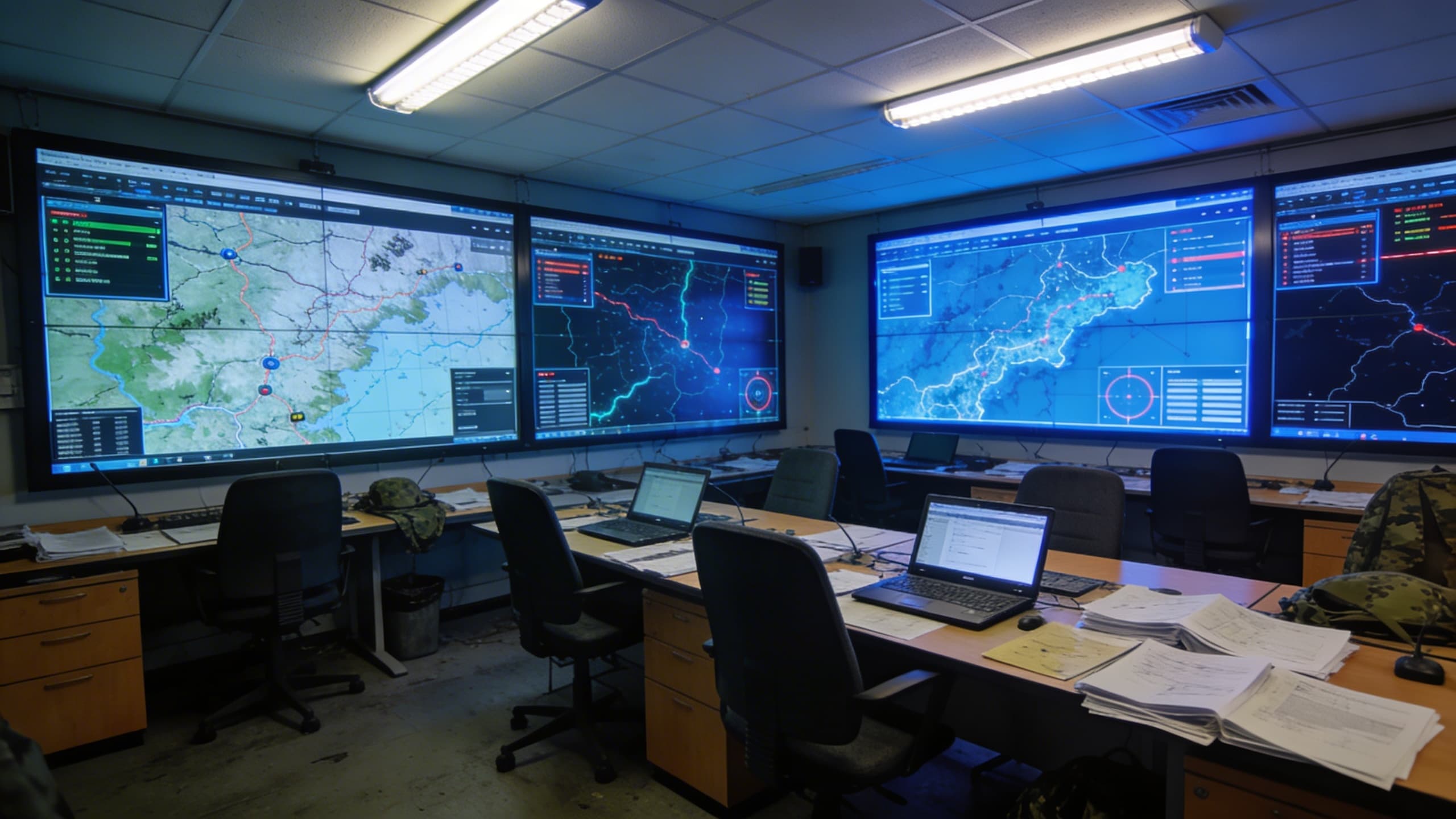
In June 2025, the Norwegian Defence University College (FHS) and the Swedish Defence University (Försvarshögskolan) conducted a joint exercise called «Comprehensive Shield 2025» at Kjevik camp. The exercise tested AI-based decision support in military planning within a joint Nordic framework for the first time.
Three teams approached the same scenario differently: one used traditional NATO planning, one received AI support, and one combined systems thinking with AI assistance. The results indicated that AI can improve decision quality, stimulate creativity, and reduce mental load – but that it also requires new technical skills and a redistribution of tasks within the teams.
Lieutenant Colonel Peter Bovet Emanuel at the Swedish Defence University, who led the trial, summarized it thus: «It is not a magic solution, but in this case, it proved to be a powerful methodical and planning tool when used correctly», as reproduced in research documentation from the exercise.
AI in HR and Organizational Development
The Armed Forces have also implemented AI in more administrative functions. In collaboration with Deloitte and the AI company Ayfie, a system has been developed that automatically analyzes and summarizes results from employee surveys. The system provides managers with tailored advice, compares historical results at the departmental level, and identifies areas for improvement.
Jarle Moss Hildrum, Director at Deloitte, describes the solution as something that «gives leaders entirely new opportunities to make insight-based decisions based on surveys», according to project information. The process is fully automated from data collection to textual recommendations.
Scandinavia's First Military AI Strategy
The backdrop for all this activity is Norway's national AI strategy for the defense sector, adopted in October 2023 – the first of its kind in Scandinavia. The strategy sets three overarching goals for the sector and has served as an operational framework for the projects now being rolled out.
A Model for the Public Sector?
Altinget's article raises the question of whether the Armed Forces should now serve as a model for the rest of the public sector. The point highlighted is not just that the Armed Forces are investing in AI, but that they are actually taking the technology from research and deploying it in the field – something many other agencies and businesses still struggle with.
It is worth noting that not all projects have been fully evaluated yet. The Valkyrie system is still in the operational testing phase, and the exercise at Kjevik was a controlled academic setting. The transferability to the civilian public sector has also not been systematically documented. Nevertheless, the breadth of initiatives – from autonomous systems to HR tools – represents an approach where user proximity and iterative development are consistent principles, and it is this approach that experts now want to see widely adopted.