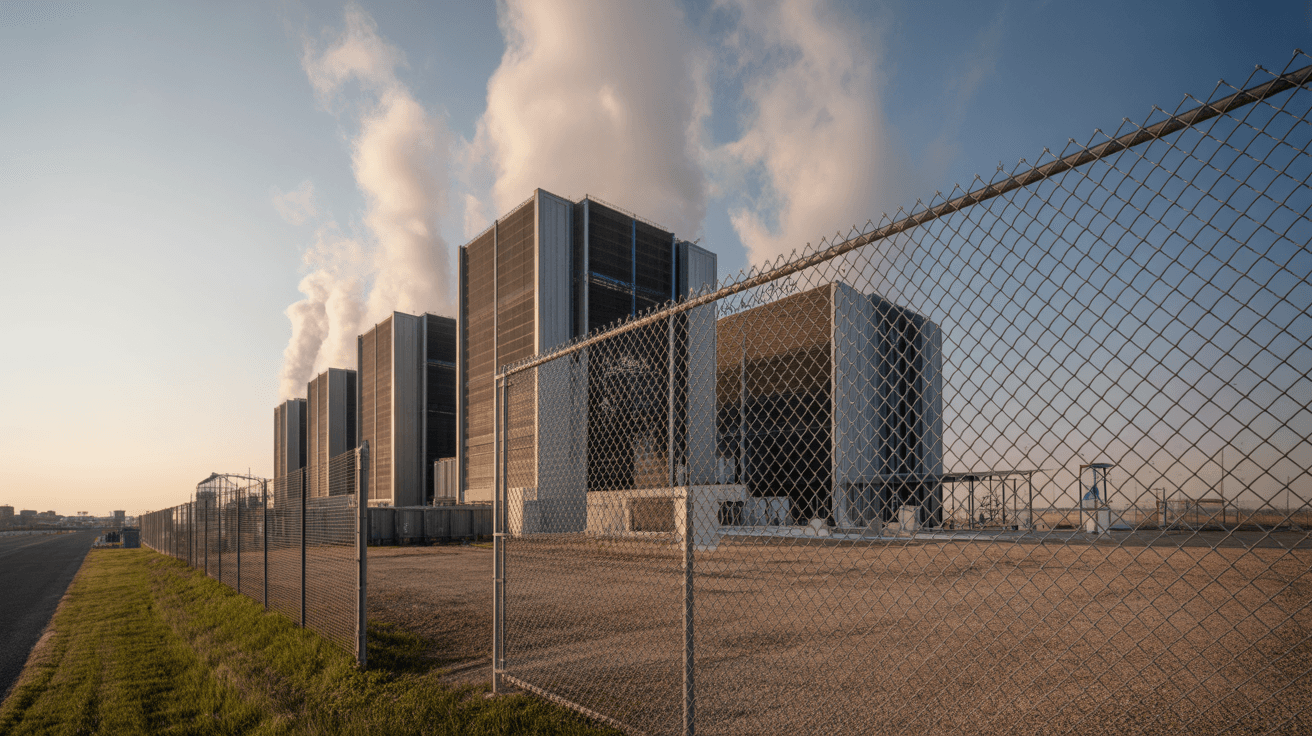
Two of the most prominent progressive voices in American politics have launched a frontal attack on the AI industry. Senator Bernie Sanders of Vermont and Representative Alexandria Ocasio-Cortez of New York introduced identical bills in the Senate and House of Representatives in March 2026 to freeze all new construction of AI data centers at a national level, according to TechCrunch.
What the Proposal Entails
The bill would introduce a temporary national ban on the construction of new data centers. The moratorium would only be lifted once Congress has adopted a comprehensive framework for AI regulation — one that, in the proponents' view, ensures safe use of the technology, prevents mass layoffs due to automation, and guarantees that data center development does not drive up electricity prices or harm the environment.
Additionally, the proposal includes a ban on the export of advanced American AI chips and computers to countries that do not have equivalent protective regulations in place.
A ban on AI infrastructure guarantees a future where technology is scarce and expensive — available only to the wealthy.
A Rapidly Growing Problem
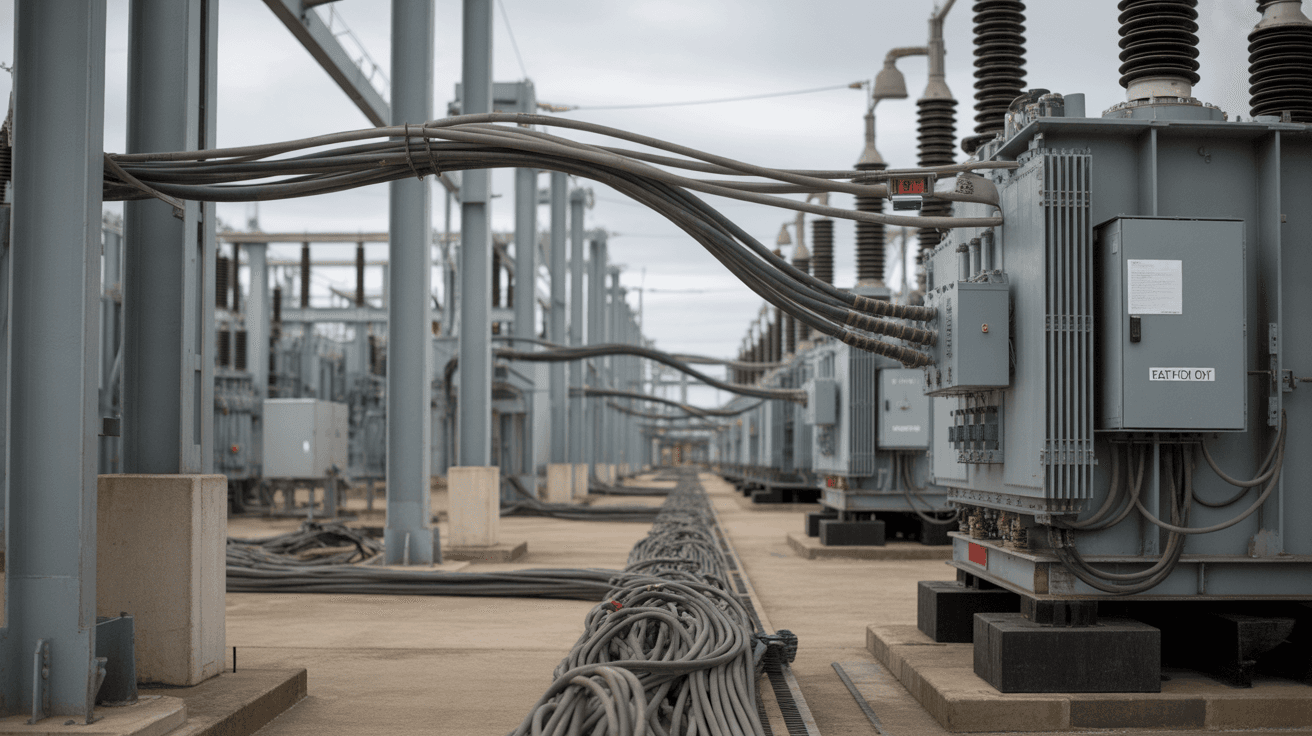
The background for the proposal lies in concrete figures that are difficult to ignore. US data centers accounted for a consumption of 176 terawatt-hours in 2023 — equivalent to 4.4 percent of the country's total electricity sales. According to research sources, this figure could triple by 2028, making up to 12 percent of the US's total electricity demand. The International Energy Agency (IEA) estimates that global electricity consumption from data centers could more than double between 2024 and 2030, reaching 945 TWh — with AI being the most significant single factor.
Electricity prices have already reacted. In some US areas, monthly electricity prices have increased by up to 267 percent between 2020 and 2025, according to the research basis. A poll shows that 54 percent of American voters believe AI data centers are largely or somewhat responsible for rising household electricity bills.
Water consumption is also a concern. A medium-sized data center can consume as much water as a small town, while the very largest can use up to 19 million liters daily.
The Industry Warns Against Consequences
The technology industry is unsparing in its criticism of the proposal. Cy McNeill of the Data Center Coalition warns that such a moratorium risks rationing access to digital services and could have significant consequences for Americans' daily lives, according to the research basis.
Critics point out that major tech companies have already planned to spend over $350 billion on AI-related infrastructure in 2025 alone. A freeze would create investment uncertainty, delay projects, and potentially weaken the US's global competitiveness in the AI field.
Local Opposition Spreads
The Sanders and AOC initiative is not isolated. Since August 2025, cities and counties in states like Missouri, Indiana, Georgia, and North Carolina have implemented temporary bans on data center construction. At least 11 states are considering similar measures, and over 300 related bills have been introduced in more than 30 states in early 2026 alone, according to the research basis.
Norwegian Relevance
The debate also has clear relevance here at home. Norway is among Europe's preferred locations for data centers, thanks to clean hydropower, a cold climate, and good infrastructure. The Norwegian discussion about data centers' share of power consumption — and whether they displace other industries from the power grid — precisely mirrors the concerns now driving legislative processes in the US. What happens with American regulation will likely also influence which actors look to Europe and Norway to establish capacity.
What Happens Next?
The proposal's future is uncertain. The Democratic minority in both chambers makes adoption challenging, and strong opposition from the tech lobby is expected. Nevertheless, the initiative sends a clear signal that the environmental and societal consequences of AI infrastructure are becoming a central political issue — both in Washington and far beyond.
The source for this article is TechCrunch (March 25, 2026) and associated research on data center regulation in the US.