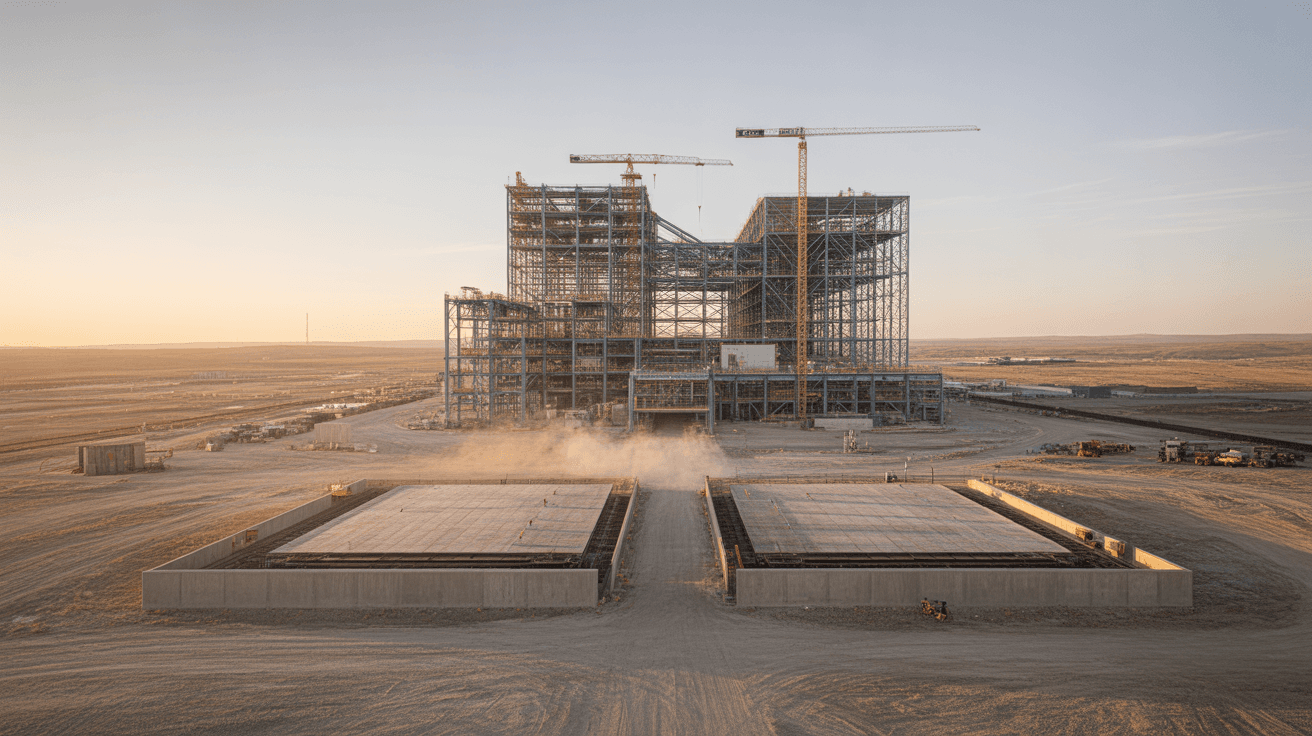
The plans are ambitious even by Elon Musk's standards. Through a coordinated collaboration between Tesla, SpaceX, and xAI, two semiconductor factories are to be erected in Austin, Texas, under the project name Terafab. The purpose is to make Musk's technology empire independent of dominant chip suppliers — and to launch the results of production into space.
One Terawatt — and Most of it in Orbit
According to available information about the project, the goal is an annual production capacity of one terawatt of computing power. This figure surpasses most existing AI data centers, and it is precisely this scale that makes Terafab something qualitatively new.
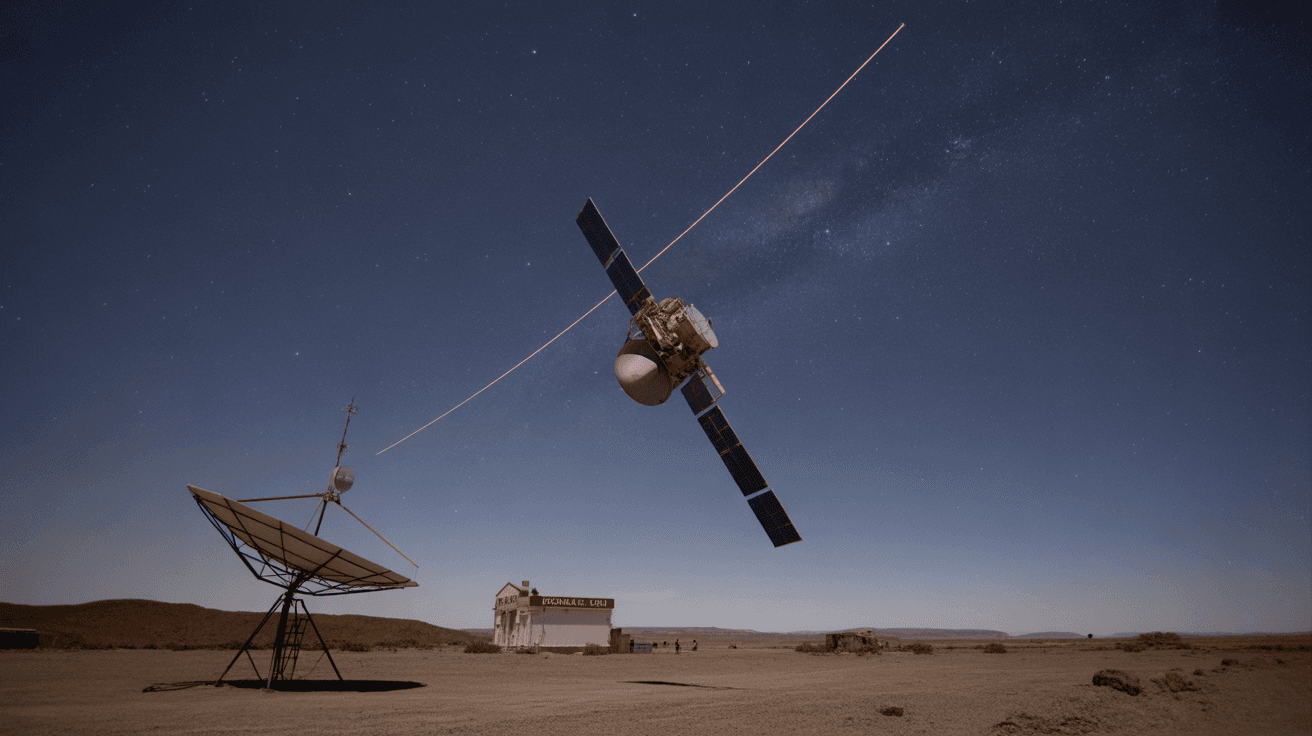
Eighty percent of this capacity is planned to be used in orbital AI satellites — that is, artificial intelligence operating from space. This places extreme demands on the chips' robustness and energy efficiency, as the components must withstand radiation, vacuum, and large temperature fluctuations.
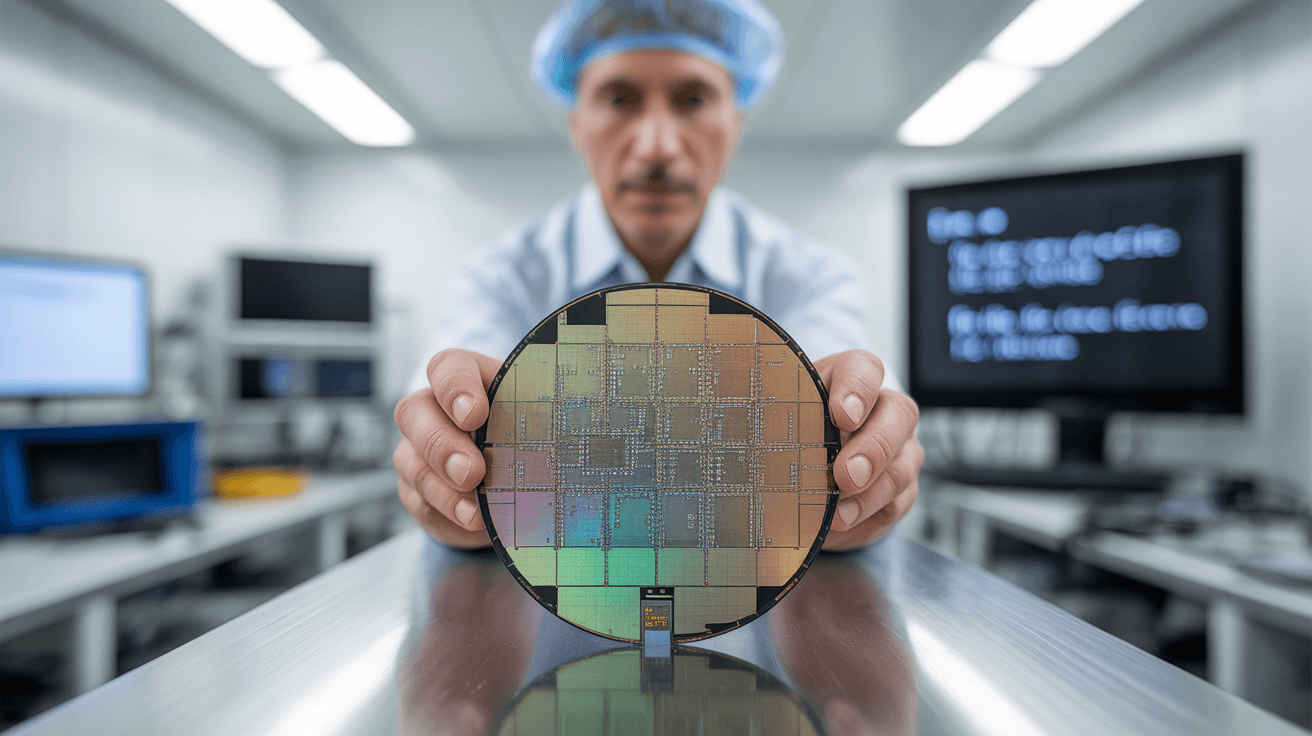
The factories will be built around 2-nanometer process technology — a production node that is just reaching commercial maturity and is considered among the most advanced in the world today.
Breaking Dependence on TSMC and Samsung
A central motive behind Terafab appears to be vertical integration. Musk has publicly acknowledged that companies like TSMC and Samsung are currently key suppliers in the value chain. Terafab is presented as a move to reduce this dependence.
At the same time, it is worth noting that xAI will concurrently develop its X1 inference chip in collaboration with TSMC, produced on a 3-nanometer process, with expected mass production in the third quarter of 2026, according to available project information. This suggests that Terafab is a long-term strategic goal, while established subcontractors are still being utilized in the interim.
Space-based AI: Musk is Not Alone
Terafab is spectacular, but Musk is not the only one looking to the sky for next-generation AI infrastructure. According to research data, competition is emerging from several quarters:
The race for space-based computing largely mirrors the race for cloud infrastructure that unfolded between 2010 and 2020 — but with significantly higher technical barriers and much greater physical risk.
What is Realistic?
There is reason to exercise a certain source-critical caution here. As of March 2026, Terafab is a project in the planning and early development phase. Production targets of one terawatt, 2nm factories, and large-scale space-based AI are all elements that presuppose the execution of highly complex technical and logistical processes over many years. Musk's companies have previously announced ambitious milestones with variable precision in their timelines.
Furthermore, it has not been publicly confirmed by Musk himself or the companies directly in the form of official press releases — the information is sourced from Digi.no and supporting industry information. The full scope and progress plan of the project remain to be verified.
Nevertheless: If Terafab is realized as described, it will represent one of the most comprehensive vertical integration strategies in technology history — from silicon to satellite.
If Terafab is realized as described, it will represent one of the most comprehensive vertical integration strategies in technology history
Sources: Digi.no, industry information on Terafab and competing space-based AI initiatives