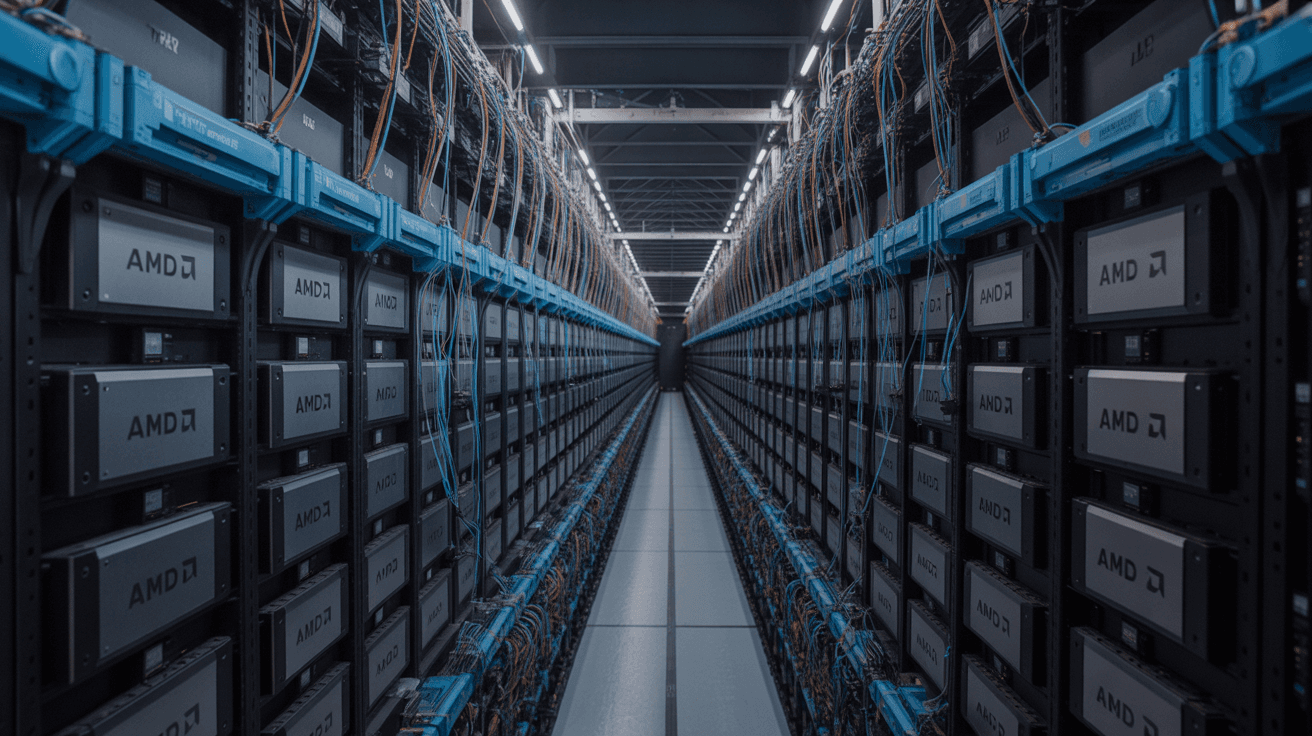
Giant Deal Tightly Links Meta and AMD
Meta has entered one of the largest single agreements in AI infrastructure history. According to TechCrunch, the company is in the process of purchasing AMD AI chips for up to $100 billion spread over several years. The deal includes a warrant — a right to purchase shares — for 160 million AMD shares, making Meta a significant financial stakeholder in AMD's future development.
This is not just an ordinary hardware purchase. The stock option structure suggests a long-term strategic partnership where both parties have strong incentives to succeed together.
A warrant for 160 million AMD shares makes this far more than a regular hardware purchase — it's a strategic partnership with financial muscle behind it.
Nvidia's Dominance Challenged
The background for the agreement is Meta's need to reduce its dependence on Nvidia, which currently dominates the market for AI accelerators. Nvidia H100 and H200 are still the most widely used chips in large AI training clusters, but availability is limited and prices are high.
AMD's Instinct MI300X is the main competitor. According to technical comparisons, the MI300X has several clear advantages for certain workloads: the chip has 192 GB of HBM3 memory compared to the H100's 80 GB, and delivers 5.3 TB/s memory bandwidth — about 60 percent more than the H100. For large language models like Llama2-70B, this can mean 40 percent lower latency compared to Nvidia's solution.
It is nevertheless worth noting that the advantages are workload-dependent. The H100 has lower memory latency and a more mature software ecosystem through the CUDA platform. In MLPerf benchmarks, AMD has achieved about 95 percent of the H100's performance on BERT training, but this has required significant optimization efforts from AMD's side.
Massive Data Center Expansion Planned
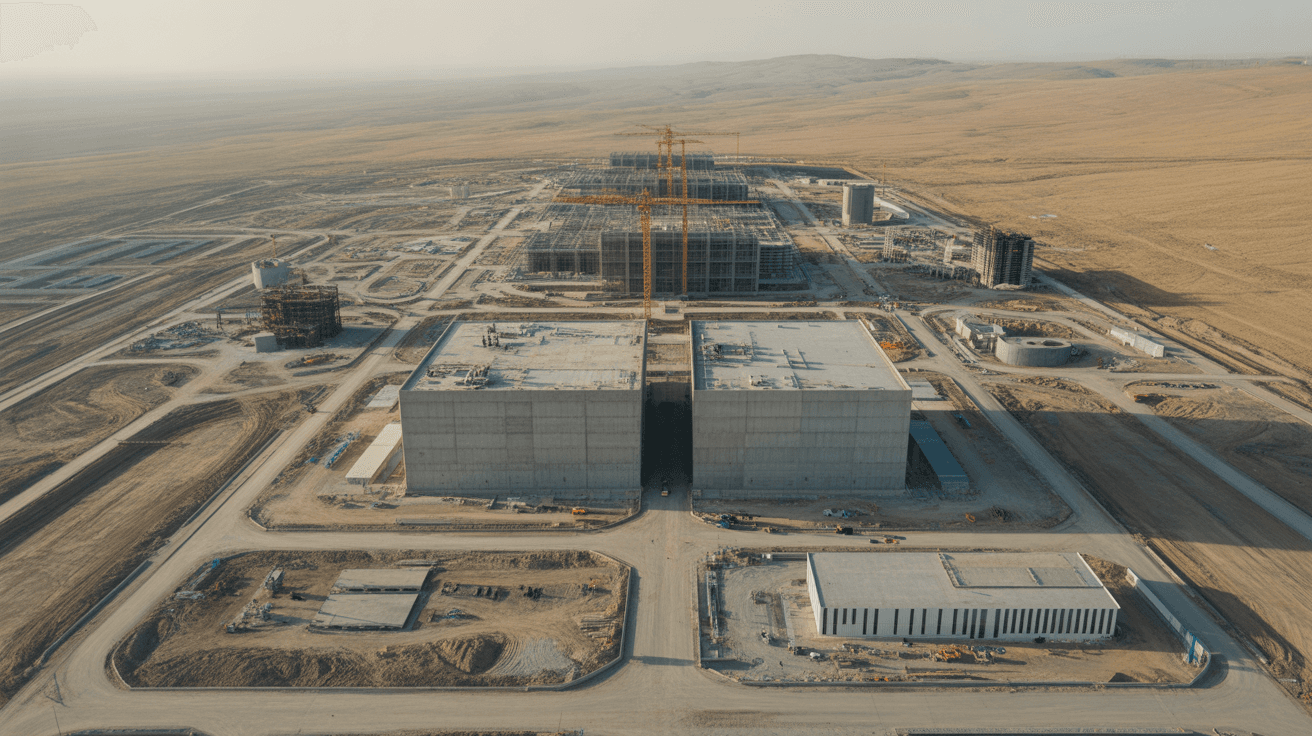
Meta has already announced that the company will spend between $60 and $65 billion on capital investments in 2025 alone, with data center expansion being by far the largest item. The AMD deal is a central part of this strategy.
The company currently operates with a mix of Nvidia and AMD chips, in addition to its own developed MTIA accelerators. The multi-year agreement with AMD will likely mean that a significant proportion of new data centers will be equipped with MI300X and upcoming AMD generations.
"Personal Superintelligence" — Meta's Grand Ambition
Meta CEO Mark Zuckerberg has on several occasions used the term "personal superintelligence" to describe the company's long-term AI goals. The term is not technically defined in public sources, but the context suggests an ambition for AI systems that not only assist but proactively act on behalf of individual users — integrated into products such as Ray-Ban Meta glasses, Quest VR headsets, and WhatsApp.
Realizing such systems requires enormous computational power — both for training models and for inference at scale. This is where the AMD deal fits in: massive capacity to run large models efficiently and at a lower cost per token than Nvidia alone can offer.
What This Means for the Industry
The agreement sends a clear signal to the entire AI industry: even the largest players do not want to be dependent on a single supplier. AMD has long struggled to break Nvidia's grip on the market, primarily because the CUDA platform is deeply embedded in developers' workflows. A deal of this size with Meta could give AMD the volume and incentive program needed to accelerate the development of the ROCm platform and make it more competitive.
According to TechCrunch, this is also part of a broader pattern where hyperscalers like Microsoft, Google, and Amazon are investing heavily in alternative silicon — either through their own chips or agreements with AMD — to balance power in the supply chain.