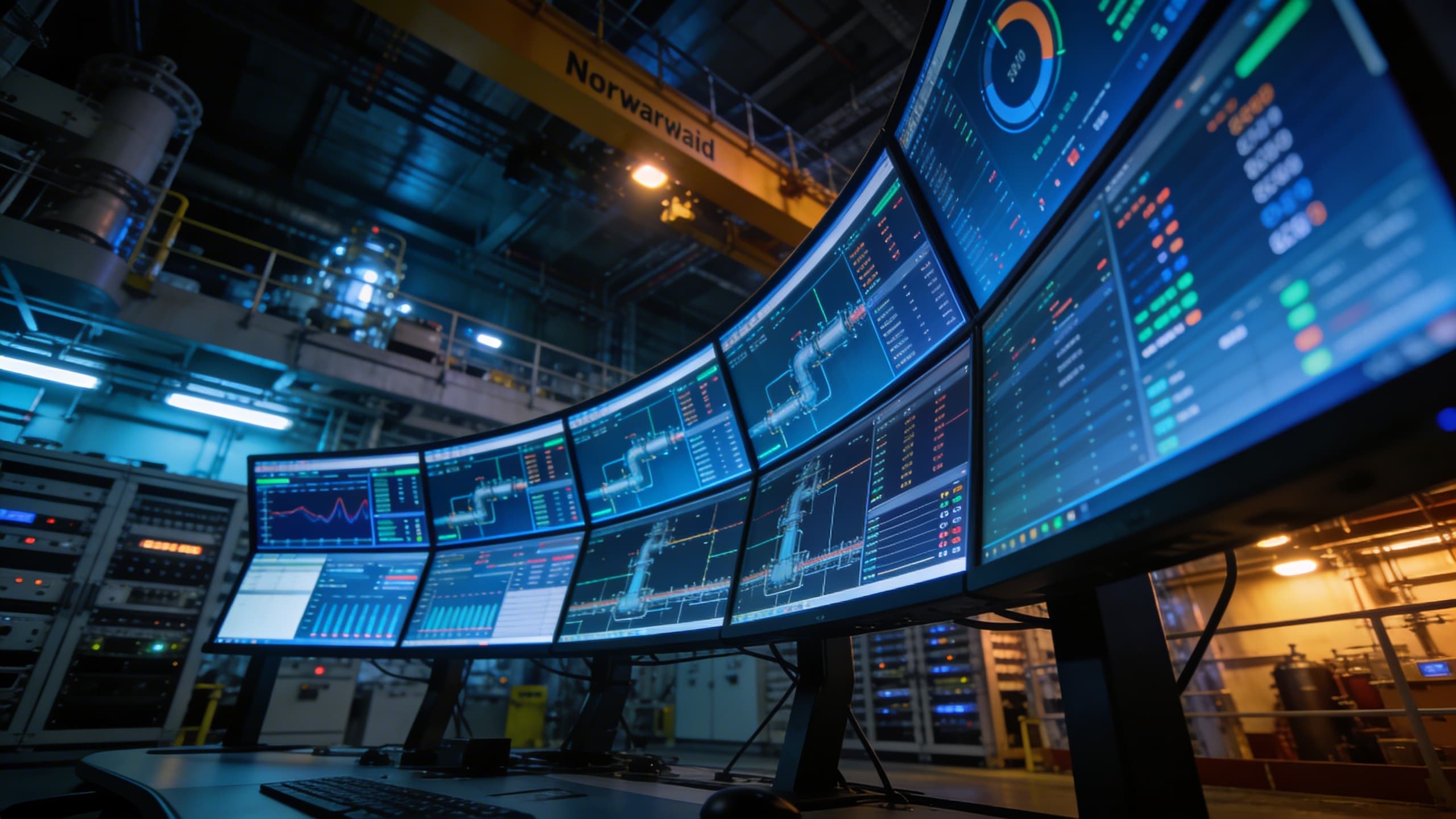
The global competition for physical AI – that is, AI systems that actually control and monitor physical machines and processes – is intensifying. While OpenAI and Google compete for the large foundational models, and Nvidia builds the platforms beneath them, industrial companies like Hitachi are vying for a third position: the domain expertise that none of the major tech companies possess.
Three Layers in the Hierarchy
According to AI News, physical AI has a clearly layered hierarchy. At the top are the large model companies with their multimodal systems. In the middle sits Nvidia with infrastructure and development tools. And at the bottom – but no less important – we find the industrial manufacturers with decades of operational experience from power grids, railways, and factories.
Hitachi argues that this last layer is precisely crucial. It's one thing to train a model on data. It's quite another to understand what is actually happening inside a gas turbine engine or a high-voltage plant – and what could go wrong.
For years, we have envisioned the next wave of AI, centered around empowering frontline workers, advancing energy solutions, and promoting mobility. That vision is now becoming a reality.
Lumada as the Backbone
At the core of Hitachi's strategy is the digital platform Lumada, which the company is now developing into version 3.0 with physical AI as its focal point. The platform is built to convert industrial data into concrete decisions – not just insights, but direct control of processes and machines.
In March 2024, Hitachi announced a strategic collaboration with Nvidia to integrate Lumada's industrial solutions with Nvidia's AI Enterprise and PhysicsNeMo platforms. The goal includes digital twins of industrial plants and real-time optimization of physical assets.
Testing on Themselves First
One of Hitachi's clearest strategic choices is to use its own business units as a test laboratory – what the company itself calls the role of “customer zero.” Solutions are piloted internally before being offered externally. The AI Center of Excellence, established in early 2024, has already tested prototypes in energy, industry, and mobility – including a tool for automatic design of factory assembly lines.
What This Means for Norwegian Industry
Norway is heavily exposed to precisely the sectors Hitachi is targeting. The oil and gas industry relies on reliable operation of complex equipment under demanding conditions. The maritime sector is looking towards autonomous operations and predictive maintenance. Power grid operators struggle with capacity planning in a rapidly changing energy system.
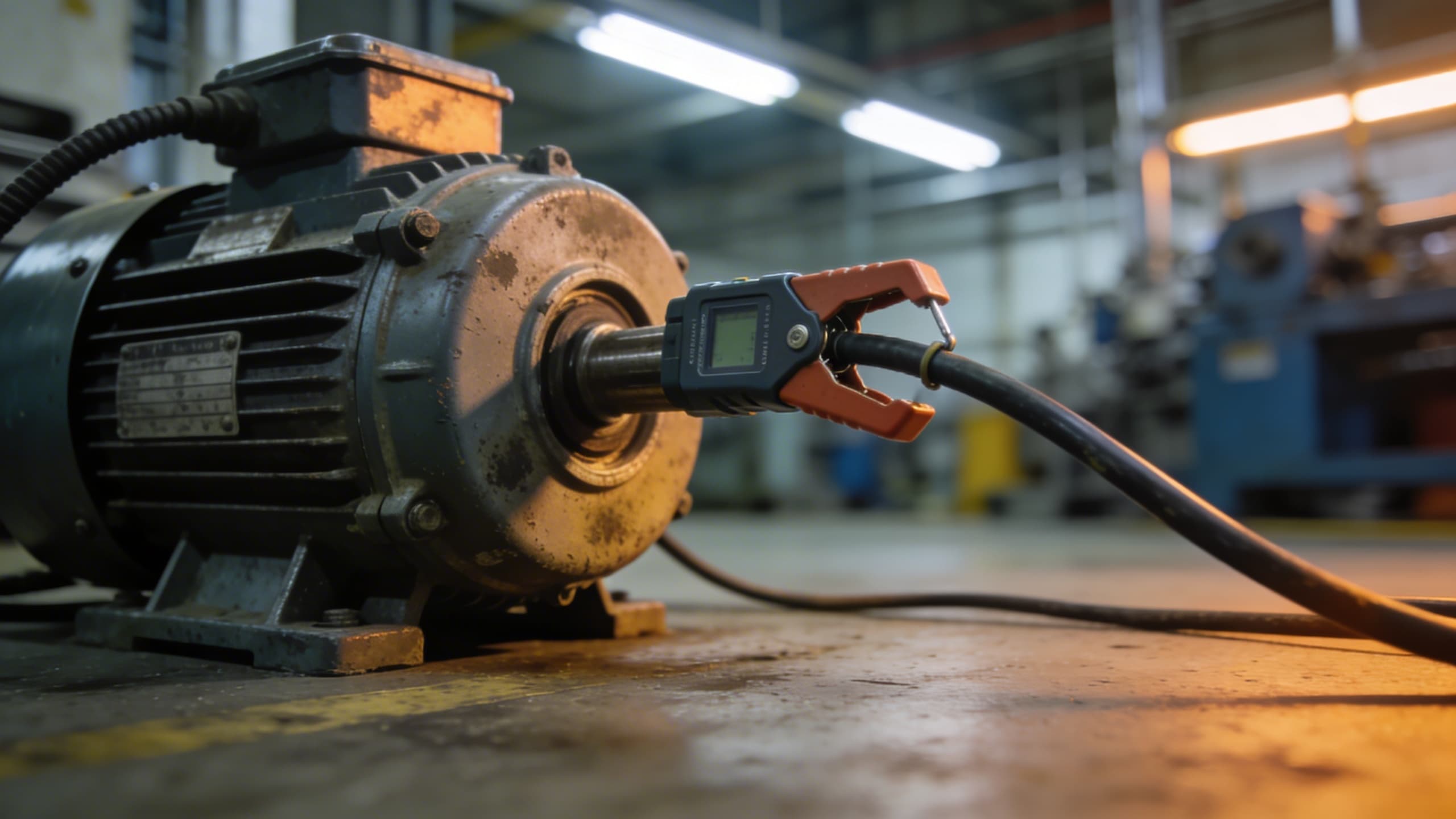
The solutions Hitachi describes – such as current sensor-based machine diagnostics without the need for additional hardware, or AI optimization of grid capacity – are directly relevant to these environments. It is worth noting, however, that the claims of a 38 percent profitability improvement by 2035 come from Hitachi's own executives, and not from independent research.
The Race is On
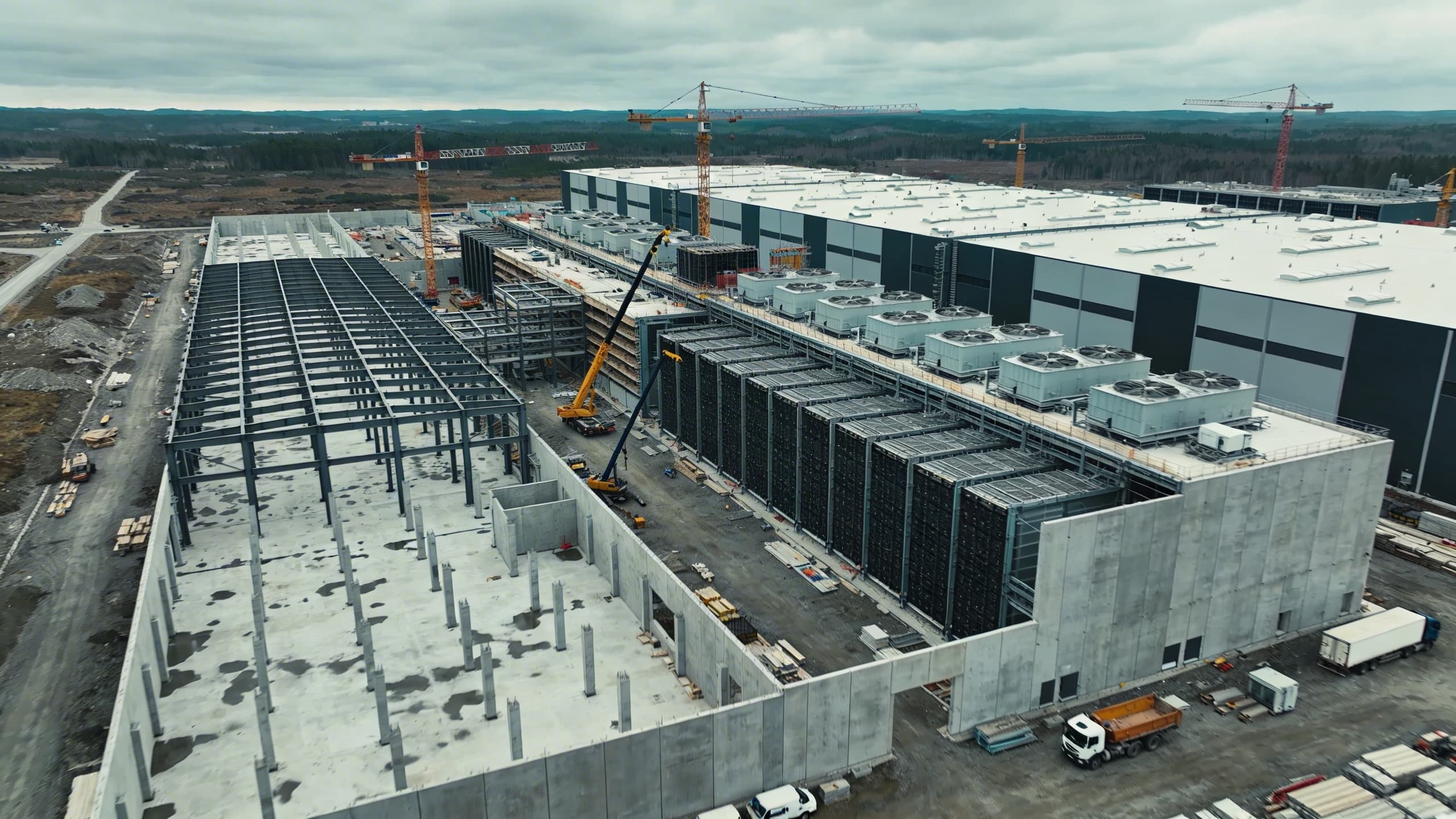
Hitachi's “Inspire 2027” strategy sets ambitious goals to become a “core digital company” where physical AI is central. With a global AI factory under construction, based on Nvidia's latest Blackwell architecture, and a portfolio ranging from railways to power grids, the company is clear that it is not content with a niche role.
As Chetan Gupta, head of Hitachi's global AI Center of Excellence, has stated to AI News: by 2035, AI is expected to become increasingly better at detecting faults and idle machines – and that improvement will directly impact the industry's bottom line. The question is who will deliver that technology, and who will buy it.