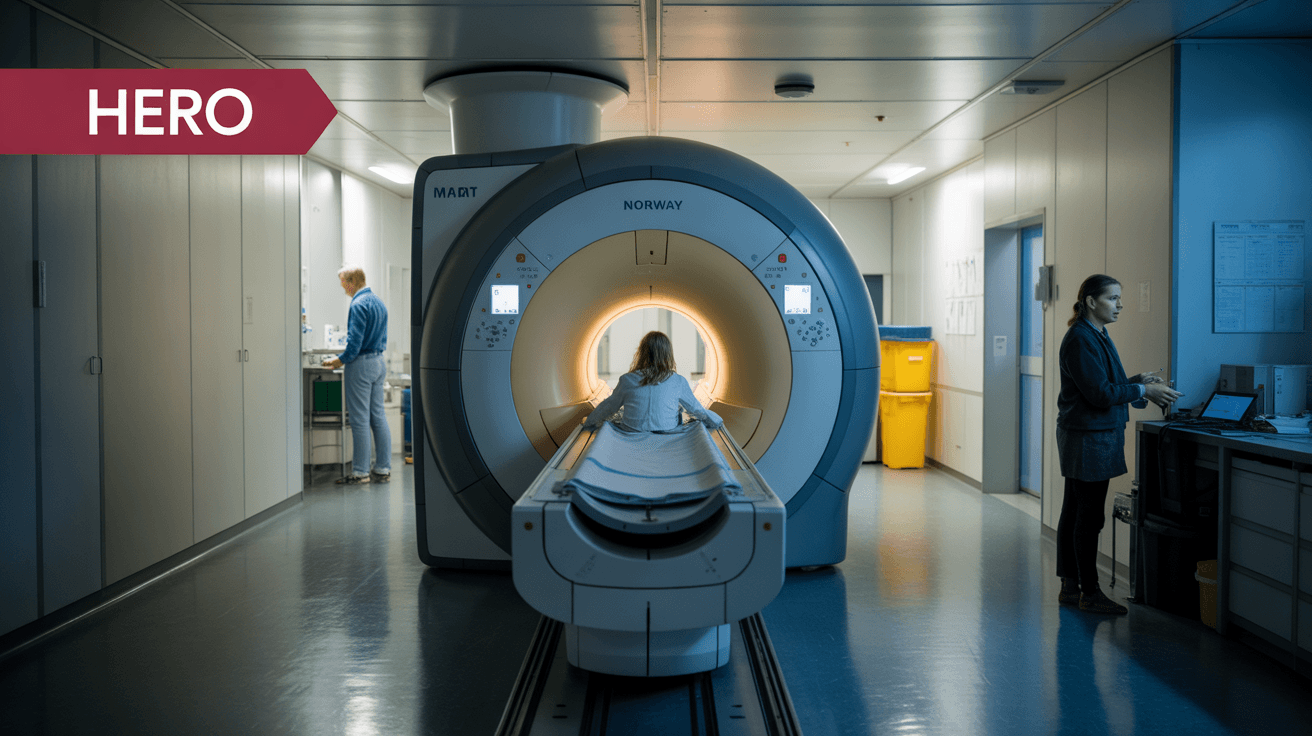
Researchers at the University of Texas at Austin have achieved 82 percent precision in decoding perceived speech, and between 41 and 74 percent in decoding imagined speech — all using fMRI data combined with generative AI models. A Norwegian brain researcher describes the findings as a breakthrough that no longer belongs to the realm of fantasy, according to Digi.no.
The Technology: From Brain Signal to Meaningful Content
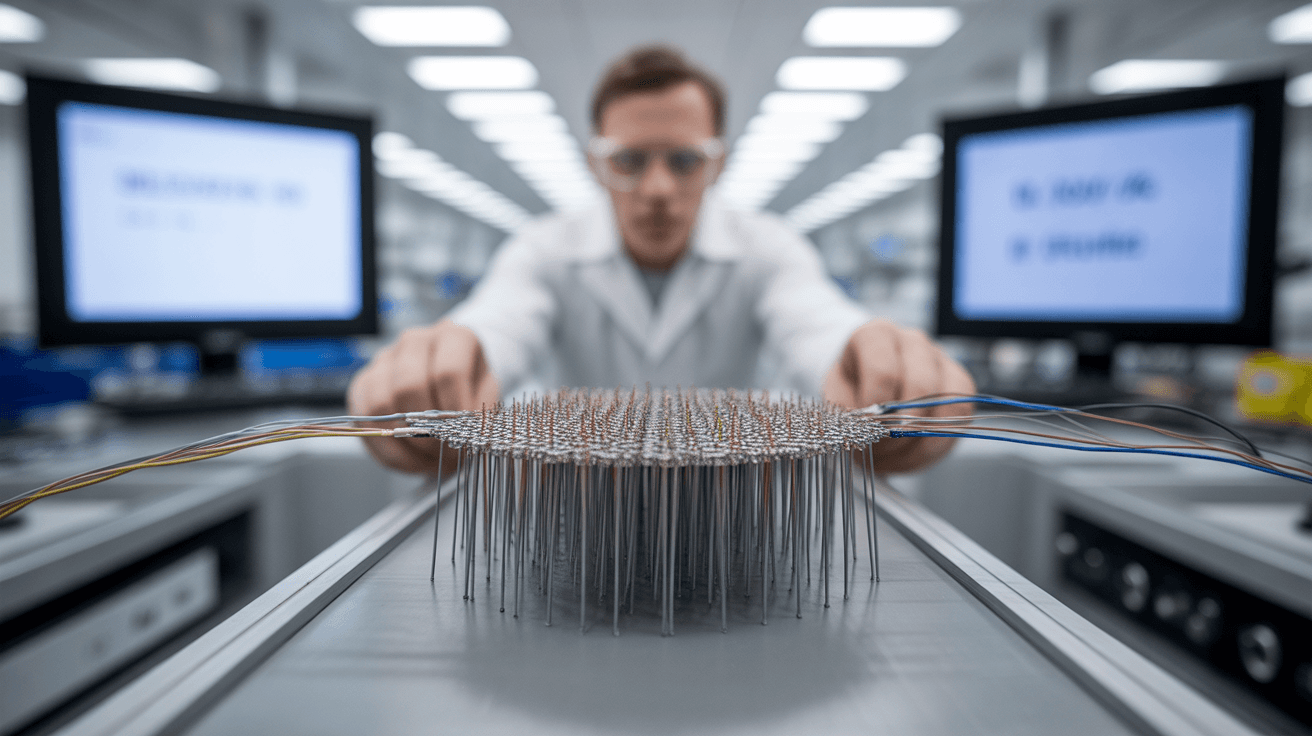
The art lies in translating complex patterns of brain activity into meaningful language. Researchers at Stanford University, using implanted microelectrodes in the motor cortex, have managed to decode 125,000 imagined words with 74 percent precision in paralyzed patients. The University of California, San Francisco, achieved similar results and additionally managed to identify emotions and facial expressions — at a speed of up to 75 words per minute.
Not all approaches require surgical intervention. In non-invasive experiments, where participants wore EEG caps, systems managed to identify almost half of 512 spoken phrases after training on 175 hours of EEG recordings, according to the research review used as the basis for this article.
"Not Pure Sci-Fi" — But What Does It Mean in Practice?
The Norwegian brain researcher speaking to Digi.no emphasizes that the technology has enormous medical potential — especially for individuals who have lost the ability to communicate due to illness or injury. Giving a voice to those who cannot speak is highlighted as the most promising application.
At the same time, it is worth noting that the technology is currently resource-intensive, requires long-term calibration to an individual's brain, and in most precise cases still relies on invasive equipment.
"Brain-computer interfaces remind us that technology always moves faster than trust" — Brodie Flanders, CEO of imaware
Ethical Concerns: Mental Privacy Under Pressure
Parallel to the medical possibilities, concerns are growing. Thomas P. Keenan, a professor at the University of Calgary, warns that the technology poses an existential threat to something we have never before had to protect: the privacy of our own minds. He points out that, except under torture, thoughts have always been inaccessible to others.
Jerry Tang, co-author of the UT Austin study, clarifies that the technology currently functions more like a translation dictionary between brain activity patterns and descriptions of mental content — rather than an omniscient thought machine. Nevertheless, he emphasizes that regulation is urgent.
A Market Growing Faster Than Regulation
The neurotechnology market is estimated to reach $17.1 billion globally by 2026, according to available market data. This growth is occurring in a regulatory vacuum: A report from the Neurorights Foundation revealed that 29 out of 30 commercial neurotechnology companies available online lack meaningful restrictions on access to user brain data, and almost all allow the sharing of such data with third parties.
Assistant Professor Belaynesh Chekol at Üsküdar University warns that organizations adopting the technology will gain the power to manipulate and control individuals' private thoughts. Unauthorized use of neural data not only violates privacy but also undermines autonomy and trust, according to Chekol.
What Happens Next?
Deep learning-based decoders have shown a 40 percent improvement in information transfer rate compared to traditional methods, according to research material. Adaptive algorithms maintain over a 90 percent success rate in motor control tasks for more than 200 days without recalibration — pointing towards increasingly robust and long-term systems.
The question is no longer whether the technology works, but who will set the limits for its use — and whether politicians and regulatory authorities will manage to keep pace with the research.